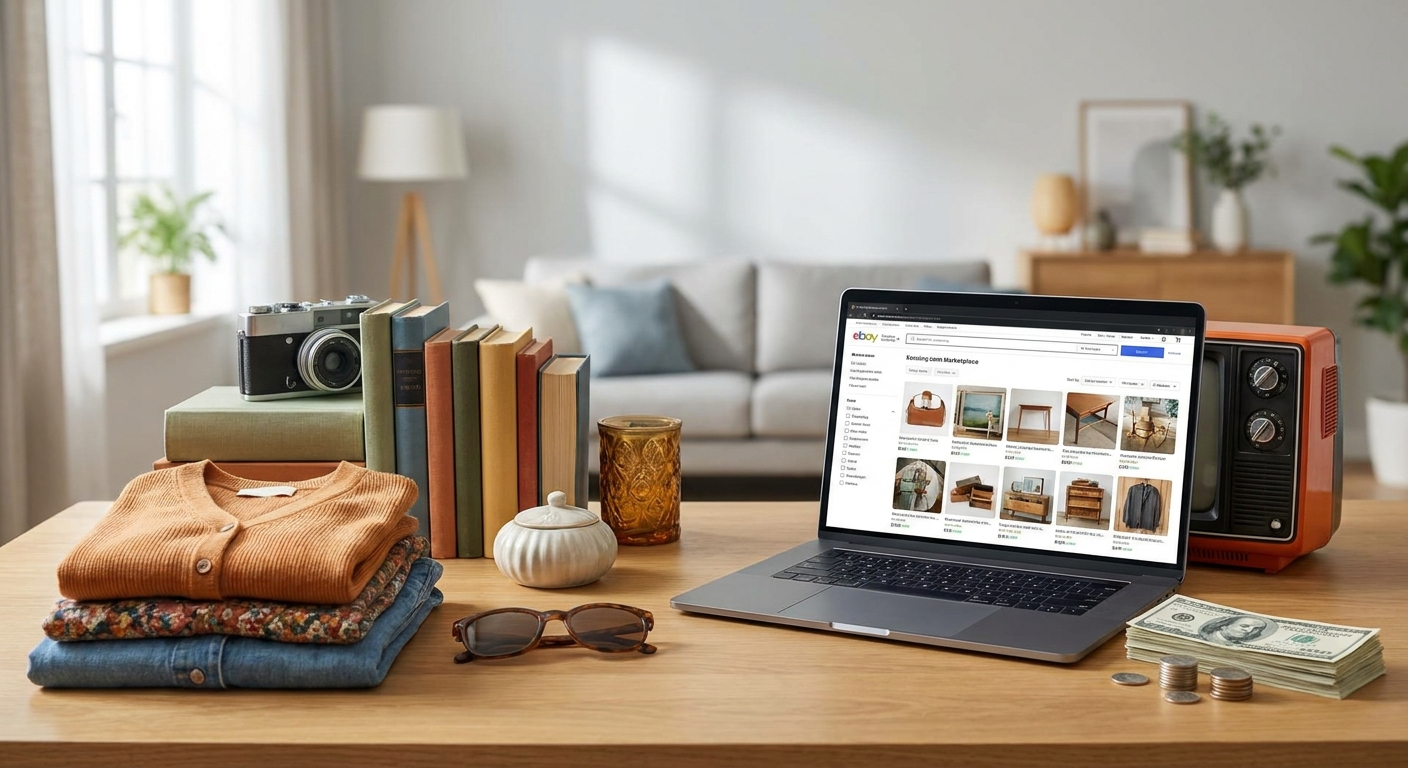
You have a garage full of stuff that's worth real money, and it's costing you nothing but time to unlock it. This guide walks through exactly how to turn clutter into cash in 2026, room by room, listing by listing.
TL;DR
Most households sit on $1,500 to $3,000 worth of resellable stuff without realizing it — furniture, exercise equipment, electronics, tools that got replaced but never tossed. In 2026, local resale moves faster than ever because buyers want deals and pickup convenience over shipping delays.
The gap isn't value, it's process. People don't know how to price, photograph, or move bulky items without a truck and a weekend. That's exactly where Sharetown reps step in for the heavy stuff — mattresses, furniture, treadmills — while you handle the smaller wins yourself.
Go room by room and separate items into three piles: sell, donate, trash. Anything under $10 in resale value isn't worth your listing time in 2026 — donate it and take the tax receipt instead.
Focus first on furniture, mattresses, fitness equipment, and small electronics. These categories hold 30-50% of original retail value if they're under five years old and in working condition. Common mistake: people price by what they paid, not what buyers actually pay for used goods.
Search "sold" listings on Facebook Marketplace for the same item, not active listings — active prices are wishful thinking. Price 10-15% below the median sold price to move items within a week instead of watching them sit for a month.
A queen mattress in good shape sells for $150-$300 depending on brand and age; a name-brand treadmill runs $200-$500. Common mistake: overpricing because it's basically new — buyers don't pay retail for used goods, ever.
Shoot photos near a window or outside — natural light shows true condition and cuts back-and-forth questions. Include one wide shot, one close-up of any wear, and a size reference like a chair next to a doorway.
List the same day you photograph. Items posted within an hour of being cleaned and staged get 2-3x more views in the first 24 hours than ones that sit in your camera roll for a week. Common mistake: vague titles like couch for sale — include brand, color, and dimensions in the title itself.
Small items — electronics, tools, decor — you can sell yourself with zero overhead. Bulky items are a different math problem: a couch that sells for $150 isn't worth a rented truck, a sore back, and three canceled buyer no-shows.
For mattresses, sofas, and large furniture, a pickup and resale model turns that math around, since someone else handles hauling, cleaning, and reselling. If you want to build this into a repeatable side hustle instead of a one-off clean-out, start a resale business from your garage walks through the setup. Common mistake: trying to move a king mattress alone — it takes two people and a doorway plan, every time.
Respond within an hour during the first day a listing is live — that's when 60-70% of serious buyers reach out. Hold your price within 10% and offer a bundle discount instead of a straight cut; bundling moves two items at once and protects your margin.
Meet in a public location for small items, or have someone with you for in-home pickups. Common mistake: agreeing to hold an item for a buyer who never confirms a time — set a 24-hour hold limit and move on.
Once a room clears out, don't stop. Track which categories sold fastest — furniture and fitness gear usually outperform kitchenware and decor — and focus your next sort there.
Some people stop after one clean-out and pocket the cash. Others turn this into ongoing income by flipping finds from garage sales, estate sales, or retailer returns on a regular basis. That's a different scale of hustle, and it's worth knowing the difference before you commit a weekend a month to it.
Want recurring income, not a one-time clean-out?
See how reps turn bulky item pickups into steady local resale profit.
Once your clutter clean-out clears $200 or more in a weekend, decide whether you want to keep it a one-time project or build it into ongoing income. If you're short on time between listings, same-day side hustles covers faster-turnaround options that stack alongside resale.
How much can you make turning clutter into cash?
Most households clear $200 to $800 in a single weekend of selling furniture, electronics, and fitness gear in 2026. Larger items like mattresses and treadmills push that number higher if they're in good condition.
What sells fastest when decluttering?
Furniture, fitness equipment, and name-brand electronics sell fastest on local marketplaces. Kitchenware and decor move slower and often need a bundle discount to clear.
Is it better to sell furniture yourself or use a pickup service?
Small items are worth selling yourself since there's no overhead. Bulky items like couches and mattresses are usually better handed to a pickup and resale service, since hauling and cleaning eat the margin otherwise.
How do you price used furniture correctly?
Check recent sold listings for the same item, not active asking prices, then price 10-15% below that median. Overpricing based on original retail cost is the most common reason listings sit unsold.
Do mattresses actually sell used?
Yes — a clean queen mattress in good shape sells for $150 to $300 depending on brand and age in 2026. Stains or odor kill demand fast, so a steam clean before listing matters.
How long does it take to sell decluttered items?
Items listed with clear photos and accurate pricing typically sell within 3 to 7 days on local marketplaces. Listings that sit past two weeks usually need a price drop, not more patience.
Can decluttering turn into an ongoing side hustle?
Yes — once the initial clean-out sells, some people keep sourcing from garage sales, estate sales, or retailer returns to sell on a regular basis. That's a different time commitment than a single weekend project.
The biggest money left on the table isn't the stuff you sell — it's the stuff you never list because it's too big to deal with. Mattresses, couches, and treadmills sit in garages for months longer than small items simply because nobody wants to rent a truck for a $150 sale. That's the exact gap a pickup and resale model closes, and it's the difference between a weekend of cash and a garage that stays full through 2026.