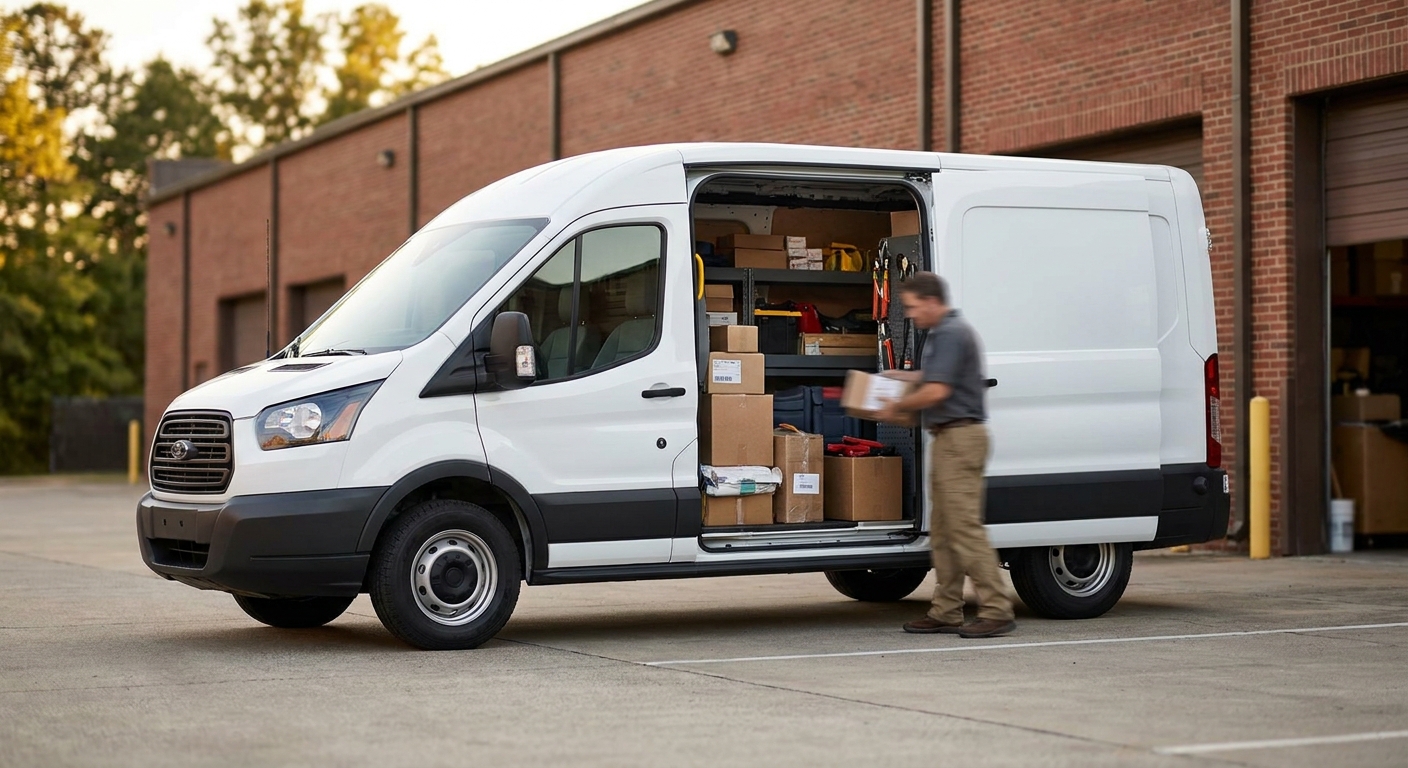
A cargo van sitting empty in your driveway is a liability, not an asset — the ways to make money with a cargo van in 2026 range from steady reverse-logistics work to one-off hauling gigs, and the right pick depends on how much control over your schedule you want to give up.
TL;DR
A cargo van costs real money to keep running — insurance, fuel, tires, and depreciation don't pause because the van is parked. Reps who pair a van with Sharetown pickups turn that fixed cost into a revenue engine instead of a monthly drain, because every pickup route can double as a resale sourcing trip. The gig economy in 2026 has more delivery and hauling apps than ever, but not all of them pay enough per mile to cover what a full-size van actually costs to operate.
This guide is for anyone who already owns — or is deciding whether to buy — a cargo van and wants it to earn its keep: gig workers tired of app rates that don't cover gas, side-hustlers who want a physical inventory business instead of another delivery app, and retirees or night-shift workers who need flexible daytime hours. If your van sits idle more than three days a week, the opportunity cost is bigger than most owners realize.
Most profitable oversized-item work — mattresses, treadmills, sectionals — needs at least 200 cubic feet of interior space and a rear door that opens wide enough for a queen mattress to pass flat. A van with a narrow side door limits you to smaller furniture and cuts your average payout per stop.
A van earns nothing sitting in a driveway between jobs. Check how many retailers, warehouses, or resale hotspots sit within a 20-mile radius before committing to any single earning model — density is what turns three pickups a day into six.
Per-pickup flat rates protect you from traffic and detours; per-mile rates punish you for the exact routes a cargo van is built for. Know which structure you're signing up for before the first job, because the difference shows up in your bank account by week two.
Personal auto policies routinely exclude commercial hauling, which means one damaged mattress or a rear-ended van at a retailer's loading dock can wipe out months of profit. Confirm coverage in writing before you load a single item in 2026.
A full-size cargo van averages 14 to 18 mpg loaded, and that number drops further with heavy furniture runs. Any earning model that pays less than $0.60 per loaded mile is quietly losing you money once fuel and wear are counted.
Some models — like retailer pickup dispatch — let you set your own pickup windows. Others, like scheduled moving jobs, lock you into fixed appointment slots. Match the model to how much control you actually want over your week.
Turn your van into income
Pick up bulky returns near you and resell them locally as a Sharetown rep.
1. Sharetown reverse-logistics rep — the steadiest pick One spec that matters: retailers route returned mattresses, furniture, and fitness equipment through independent reps for pickup, cleaning, and local resale. A single mattress return can resell for $150 to $400 depending on condition, and a cargo van handles multiple oversized pickups in one route. Verdict: Buy — the model is built around van capacity, not around competing with every other gig driver in your zip code.
2. Weekly-pay delivery and moving gigs — the fast-cash option One spec that matters: platforms that pay out weekly instead of instantly tend to offer higher per-job rates, often $60 to $120 for a two-hour local move. That's meaningful cash flow if you need money inside seven days rather than instantly. Verdict: Consider — solid for bridging a cash gap, weaker as a long-term earnings ceiling.
3. Reselling flips sourced during pickup runs — the profit multiplier One spec that matters: a van already loaded for a retailer pickup can detour to pick up a $40 garage-sale dresser that resells for $180 the same week. Drivers who learn to source while they're already on the road stack two income streams into one trip. Verdict: Consider — it takes a sourcing eye, but the margin per hour beats flat-rate driving once you find your rhythm.
4. Generic courier and freight apps — the volume play One spec that matters: most per-mile courier apps pay $0.50 to $0.90 per mile before fuel, and a loaded cargo van rarely clears 16 mpg. Run the math before you accept a 40-mile route that nets less than $20 after gas. Verdict: Skip unless you already have dense, short-haul routes lined up.
5. Junk hauling without commercial coverage — the risky shortcut One spec that matters: uninsured hauling jobs look like fast cash — $75 to $150 per load — until one damaged staircase or dented garage door turns into a liability claim with no policy behind it. Verdict: Skip until commercial coverage is in place; the exposure isn't worth the per-load rate.
Sharetown rep pickups
Weekly-pay delivery/moving
Resale flips on pickup routes
Generic courier apps
Uninsured junk hauling
Can you really make money with a cargo van in 2026?
Yes — cargo van owners in 2026 earn income through retailer pickup and resale work, delivery gigs, and moving jobs, with oversized-item pickups typically paying more per stop than standard courier routes.
How much can you make with a cargo van doing pickups?
Reps handling bulky-item pickups and resale can clear $150 to $400 per resold mattress or furniture piece, depending on condition and local demand, on top of any flat pickup fee.
Is a cargo van better than a pickup truck for gig work?
A cargo van protects items from weather and theft during transit, which matters for resale-grade furniture and mattresses, while a pickup truck is faster to load for smaller, non-fragile jobs.
Do you need commercial insurance to make money with a van?
Yes — personal auto policies typically exclude paid hauling and delivery work, so confirm commercial coverage before accepting any job involving customer property.
What size cargo van works best for reselling bulky items?
A van with at least 200 cubic feet of interior space and a rear door wide enough for a queen mattress covers most furniture and fitness-equipment pickups without turning away jobs.
How many hours a week do van reps typically work?
Most reps set their own pickup windows, ranging from a few hours on weekends to a full-time schedule, since pay is tied to completed pickups rather than clocked hours.
Is reselling furniture from pickups profitable in 2026?
It can be — sourcing during a pickup route lets you flip items like dressers or treadmills for $100-plus margins without a separate sourcing trip, stacking two income streams into one route.
What's the biggest mistake new cargo van earners make?
Accepting per-mile gig rates without checking the loaded mpg of a full-size van first — many routes net less than $20 after fuel once the math is run.
The number that changes everything is cost-per-mile once a van is loaded — a route that looks like $90 on the app screen can shrink to under $20 after fuel and depreciation, which is exactly why pickup-and-resale models built around cargo capacity outperform per-mile courier work for van owners in 2026.