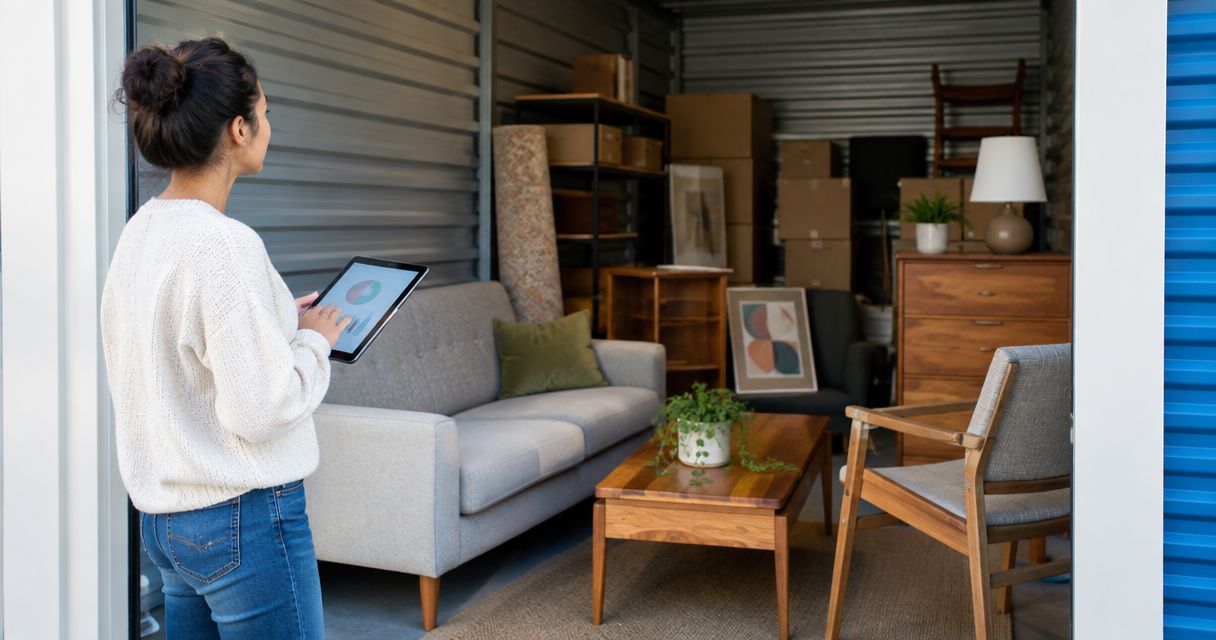
The cost to rent a storage unit for furniture resale is the facility’s current rental charge plus any required fees, coverage, and setup expenses. For your 2026 budget, use a written quote for a unit that fits your actual inventory, then include the transportation and handling costs of operating from that location.
TL;DR
Storage must support sales, not just hold furniture. A unit that fits your inventory but makes every pickup difficult adds work each time you sell an item. A larger space also creates an ongoing expense even when sales slow down.
Before requesting quotes, work out how much storage space you need to start reselling furniture. Measure the pieces you expect to store and leave room to reach them. Floor space filled edge to edge is not the same as usable resale storage.
Your rental agreement determines the storage expense. For a useful 2026 comparison, separate recurring charges from move-in expenses and refundable deposits rather than treating everything as a single monthly bill.
Ask each facility to identify these components in writing:
Base rent
Required coverage
Administrative charges
Lock and supplies
Deposit
Transportation
Do not count a refundable deposit as an ordinary expense, but do account for the cash it ties up. Also ask how rate changes are communicated and what notice you must give before moving out.
Compare the ongoing commitment, not just the move-in offer. A temporary promotion does not establish what storage will cost throughout your resale operation.
Compare the space you already have with rental options before adding another monthly obligation. The right choice depends on access, furniture condition, and how you handle pickups.
Existing home storage
Drive-up storage
Indoor climate-controlled storage
A garage or spare room deserves consideration before you rent elsewhere. Check for moisture, pests, household interference, and a safe route for moving furniture in and out.
Home storage still needs organization. Keep inventory separate from personal belongings and preserve access to doors, utilities, and frequently used items.
Drive-up access is useful when you regularly move large furniture. Visit the actual unit rather than judging it from a facility map.
Check the doorway, vehicle approach, ground conditions, and space for your helper to move safely. Confirm that the access schedule fits your pickup and sales routine.
Ask the facility what climate control means for that particular building. Do not assume temperature control also provides humidity control.
Inspect the entire path from your vehicle to the unit. A suitable interior space loses its practical advantage if your largest item cannot pass through the entrance or reach the loading area safely.
When comparing 2026 quotes, request the same features from each facility. Otherwise, you are comparing different storage arrangements rather than competing offers.
Treat these as quote-comparison questions, not assumptions about which facility is cheaper. The agreement and the actual unit should match the workflow you need.
Rent only when your resale operation can carry the ongoing expense. More room does not produce more sales by itself, and inventory waiting in storage is not money earned.
Use this sequence before signing:
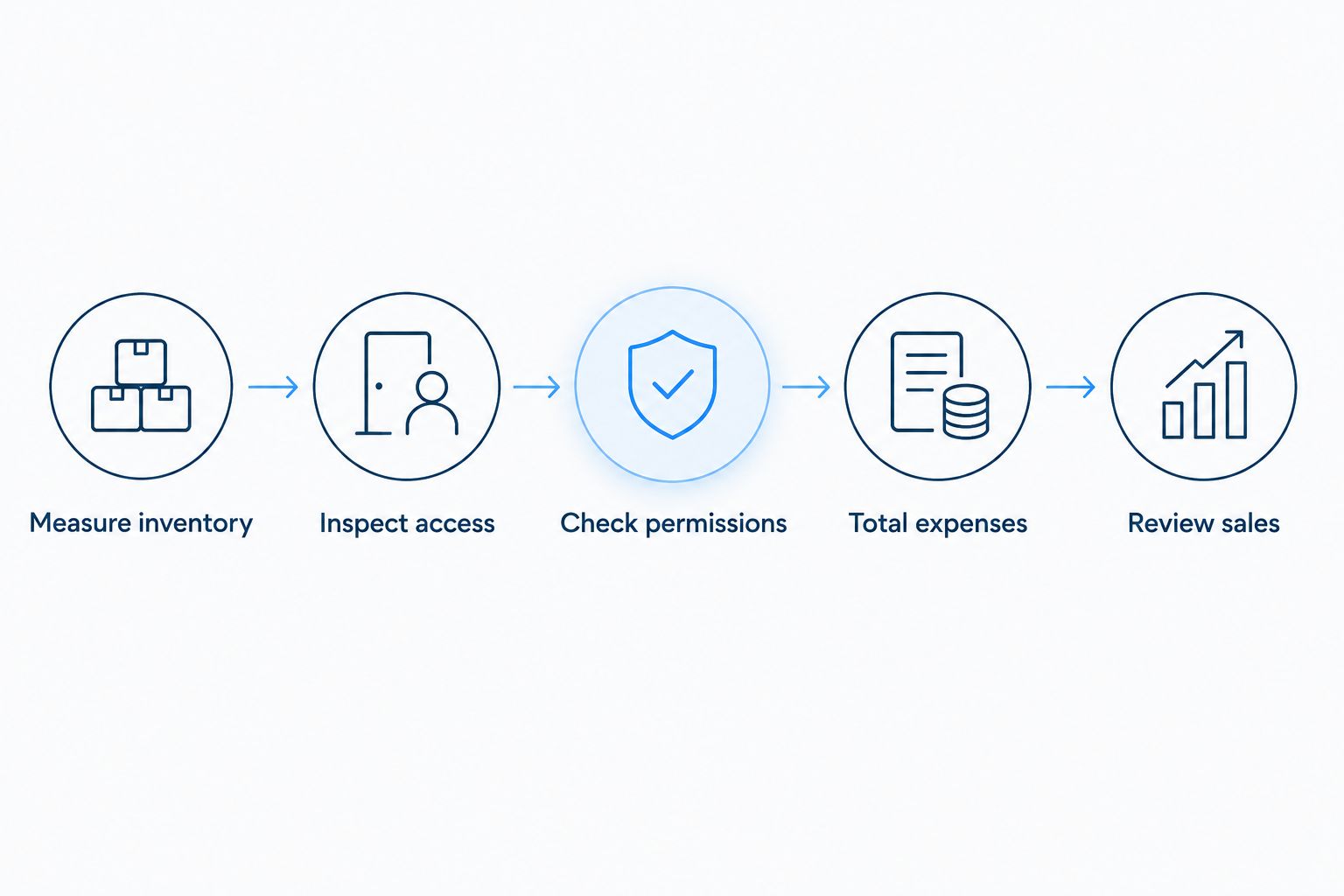
Check the operating requirements before committing to recurring storage expenses.
For your 2026 records, calculate storage overhead per completed sale by dividing the period’s recurring storage expenses by the number of items sold during that period. This is an overhead allocation, not the full cost of selling an item.
Include acquisition obligations, preparation, hauling, marketplace expenses, and other applicable costs separately. If you have no completed sales yet, do not treat projected sales as proof that the unit is affordable.
Only arrange buyer visits if the facility permits them. Permission to store business inventory does not automatically mean permission to conduct sales, invite customers, or work on furniture there.
Ask about guest access, parking, gate procedures, and where loading can happen. Get the answer in writing before advertising the facility as your pickup location.
Keep listings accurate about pickup arrangements without publishing access codes. Confirm the meeting details directly with the buyer and follow the facility’s rules.
Sharetown assigns returned, like-new products from premium brands to independent Reps, who pick them up, store them, prepare listings, and resell them locally. Sharetown is best for furniture resellers who can handle pickup, storage, listing, and local sales.
The furniture resale opportunity addresses inventory sourcing, not the need to manage inventory effectively. Sharetown Reps earn when products sell; picking up a product is only part of the process.
Before taking on rented storage, evaluate whether you can handle the complete workflow. Assigned inventory still needs suitable space, careful handling, buyer communication, and successful resale.
What is the total cost to rent a storage unit for furniture resale?
Your total is the current rental charge plus required recurring charges and applicable setup expenses. Add transportation and handling expenses to your operating budget, and track refundable deposits separately.
Is a garage better than a storage unit for furniture resale?
A garage is a practical choice when it provides suitable conditions and safe access without disrupting household use. A rented unit creates separate inventory space but adds an ongoing obligation and travel.
Do I need climate-controlled storage for furniture resale?
Choose storage conditions that suit the furniture you handle and the local environment. Ask what the facility controls, including whether humidity control is provided, rather than relying on the climate-controlled label alone.
Can I sell furniture directly from my storage unit?
You need the facility’s permission before arranging buyer visits or conducting sales there. Ask specifically about customer access, loading, and business activity, and get the answer in writing.
How do I budget for furniture storage in 2026?
Build your 2026 budget from a written quote and the rental agreement. Separate recurring expenses, setup purchases, and deposits, then compare the commitment with your recorded resale results.
Do Sharetown Reps earn money just for picking up furniture?
Sharetown Reps earn money when inventory sells, not simply when they pick it up. The work includes pickup, storage, preparation, listing, buyer communication, and local resale.
Before committing to storage in 2026, trace the path your largest piece must take from the vehicle to its resting place. Then check whether you can retrieve it while the other inventory remains stored.
A unit is usable only if you can get sold furniture out safely. Doorways, turns, and loading access belong in the decision alongside floor space and the rental agreement.