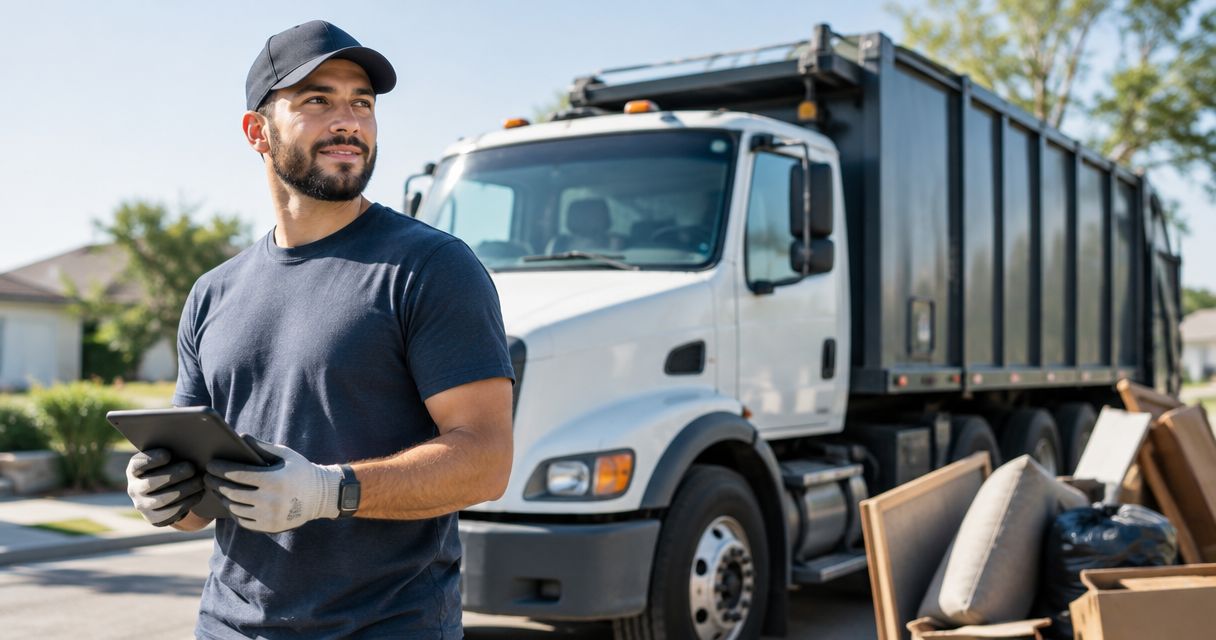
A hauling business is profitable in 2026 for operators who keep overhead below what they earn per load and stop treating every trip as a one-way haul. The real margin killer isn't the truck payment — it's driving back empty instead of picking up something you can resell.
TL;DR
Most people ask "is a hauling business profitable" while pricing out a truck, and that's the wrong first question. The vehicle is a fixed cost you control once. Fuel, insurance, and dead miles are the recurring costs that decide whether 2026 is the year the math works or the year you quit after three months.
The hauling category also splits into two very different businesses that get lumped together. One charges a fee to move something from point A to point B. The other — the model Sharetown reps run — picks up bulky retail returns like mattresses, furniture, and fitness equipment, then resells them locally for profit instead of billing a flat haul rate. Sharetown pays for the pickup and lets reps keep the upside on resale, which changes the profitability math entirely compared to junk removal.
Yes, but the answer depends entirely on which hauling model you're running. A fee-only hauler's ceiling is whatever the local market will pay per job. A resale hauler's ceiling is whatever the item is actually worth once it's cleaned, sanitized, and listed. Here's how the three common setups stack up.
Fee-only hauling / junk removal
Asset-based resale hauling (Sharetown rep model)
DIY solo hauling with an owned truck or van
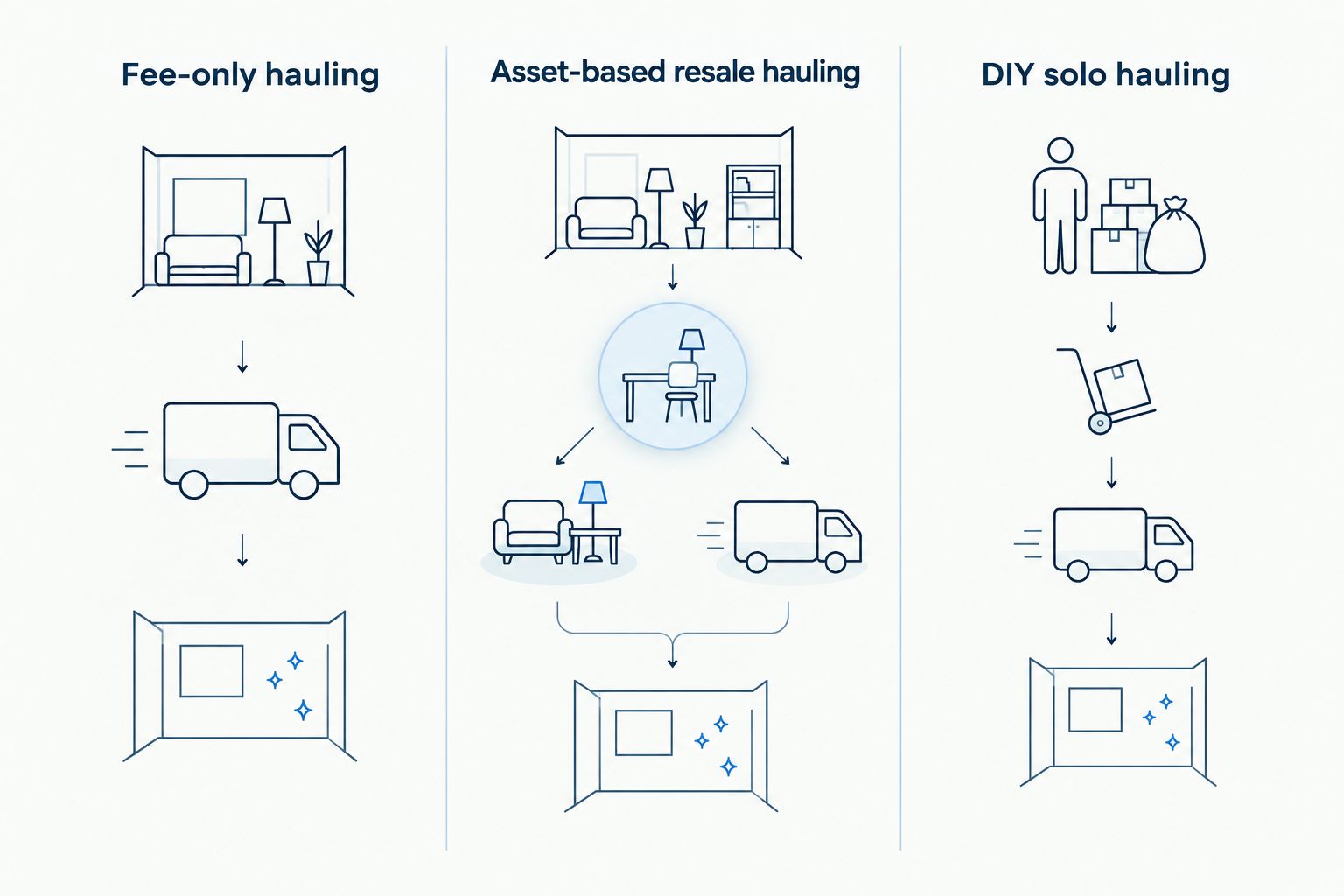
The model you pick decides whether your ceiling is a flat fee or a resale price.
This is the model most people picture first: charge a rate per job, drive the load to a dump or donation center, move on. Overhead is real and constant — fuel, dump fees, insurance, and your own labor all come out before profit shows up. The margin is whatever's left after you subtract those costs from the fee, and that fee is set by local competition, not by you. Verdict: workable if you already own the truck, but growth means raising rates or adding more jobs, not more margin per job.
This model flips the profit driver. Instead of a flat haul fee being the entire payday, the item you're hauling becomes inventory. Sharetown reps pick up returned mattresses, furniture, and fitness equipment from premium retailers, clean and inspect it, then resell it locally — the pickup pay is one line of income and the resale margin is a second. That second line is what separates a hauling side hustle that plateaus from one that scales in 2026.
The tradeoff: resale hauling takes more hands-on work per item — cleaning, listing, negotiating a sale — than dropping a load at a transfer station. It's not passive, and it's not instant cash the way a flat fee job is. Verdict: best for people who want margin on top of pickup pay and don't mind the extra 20-30 minutes per item to prep and list it.
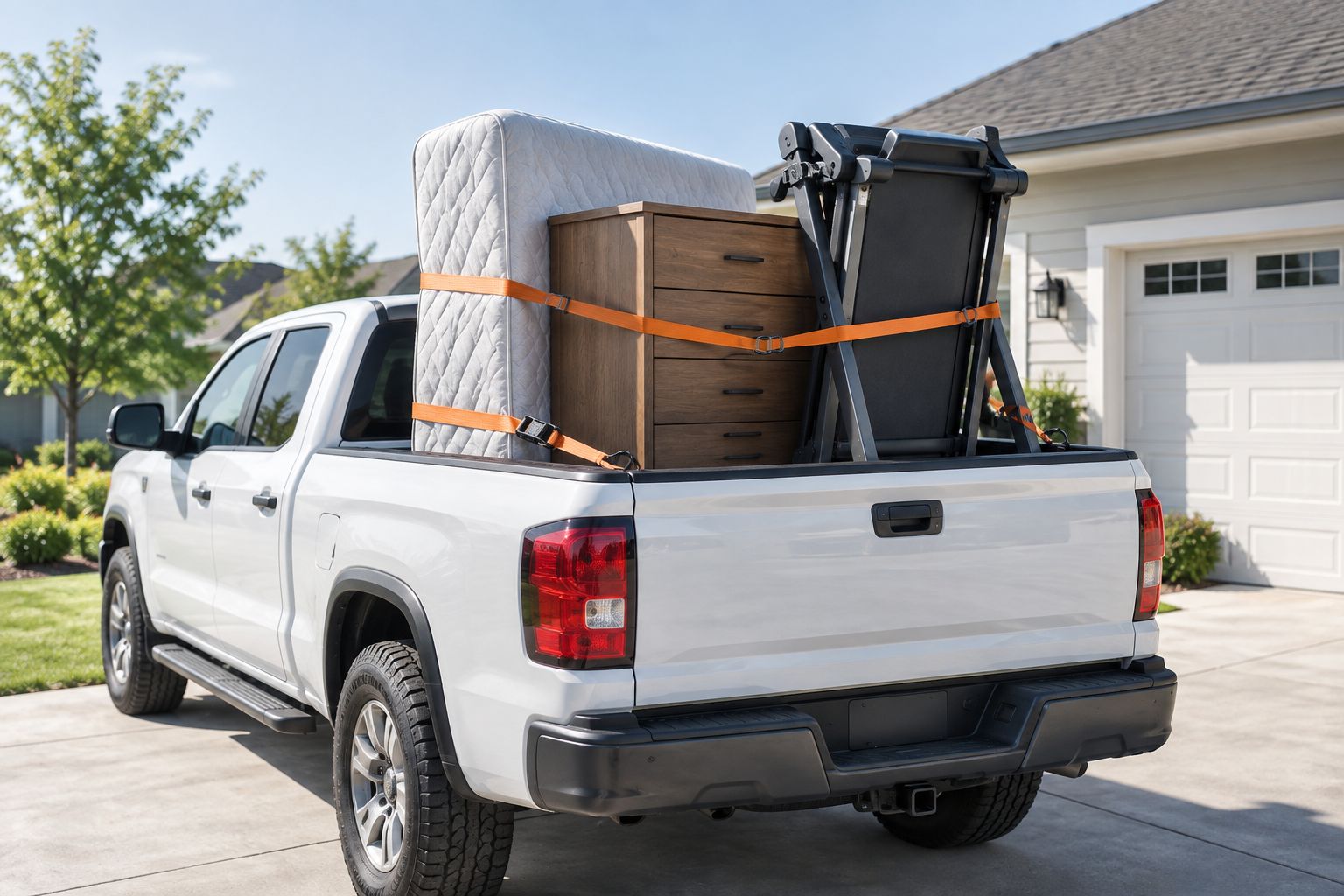
A backhaul like this is what turns a hauling trip into two paydays instead of one.
If you already own a pickup, cargo van, or SUV with real cargo capacity, you can blend both models — take paid hauling jobs and pick up resale finds on the same route. This spreads your fixed vehicle cost across two income sources, which is the single biggest lever for profitability in 2026 if you're running this as a side hustle rather than a full fleet operation. Verdict: solid, as long as your local market has enough resale demand to fill the truck twice, not just once.
Turn pickups into profit
See how Sharetown reps get paid for resale, not just for hauling.
Earnings depend on pickup volume, item type, and how much of each item's resale value you keep after cleaning and listing costs — there's no single number that applies across markets. For a real breakdown of what reps report per pickup, see how much Sharetown reps make per pickup rather than relying on a generic industry average.
Most hauling side hustles never need one. Federal rules require a commercial driver's license only above 26,001 lbs gross vehicle weight rating, and a standard pickup truck, cargo van, or box truck used for furniture and mattress pickups stays well under that threshold. Check the specifics for whether Sharetown drivers need a CDL before you assume you're covered — vehicle class and trailer weight both factor in.
Junk removal has a lower ceiling because the fee is fixed and set by local competition, while resale hauling's ceiling moves with the item's actual market value. Junk removal is more predictable week to week; resale hauling takes more prep time but pays out a second margin on top of the pickup. Neither is wrong — the right pick depends on whether you'd rather optimize for consistency or for upside.
Is a hauling business profitable in 2026?
A hauling business is profitable in 2026 when overhead stays low and trucks fill up on the way back, not just on the way out. Fee-only hauling caps earnings at the local job rate, while resale hauling adds a second margin on top of pickup pay.
What's the biggest cost that eats into hauling profit?
Empty return trips are the biggest hidden cost in a hauling business — fuel and time spent driving back without a load add up faster than most first-year operators expect. Backhauling a resalable item on the way back is the single biggest fix.
Do you need a CDL to start a hauling business?
No, most hauling side hustles don't require a CDL. The federal threshold is 26,001 lbs gross vehicle weight rating, which is well above what a standard pickup, van, or box truck used for furniture pickups weighs.
Is Sharetown a legit way to run a hauling side hustle?
Sharetown connects independent reps with premium retailers for oversized returns pickup, then lets reps resell the items locally for profit instead of just charging a flat haul fee. It's structured as a resale-plus-pickup model, not a straight fee-for-service haul.
Is junk removal or furniture resale hauling more profitable?
Junk removal is more predictable because the fee per job is fixed, but furniture resale hauling has a higher ceiling because the item's resale value can exceed a flat haul rate. Which one is more profitable depends on local resale demand and how much prep time you're willing to put in.
Can you run a hauling business part-time?
Yes, most hauling side hustles are built around part-time routes fit around a day job or other work. Volume and consistency matter more than full-time hours for keeping the business profitable in 2026.
What vehicle is best for a part-time hauling business?
A pickup truck, cargo van, or SUV with real cargo capacity covers most furniture and mattress hauling routes without needing a CDL or a dedicated commercial fleet. The right choice depends on the item sizes common in your local pickup market.
How do you find profitable items to haul and resell?
Profitable items to haul and resell are usually bulky goods retailers process as returns — mattresses, furniture, and fitness equipment — because they're expensive to ship back but still have strong local resale value. Route density and backhaul rate matter more than the specific item category.
The hauling operators who stay profitable past year one in 2026 aren't the ones with the newest truck — they're the ones who scout the next resale buyer before they've even left the current pickup's driveway. Lining up where an item is going before you load it cuts the single biggest cost in this business: dead time with a full truck and no plan.