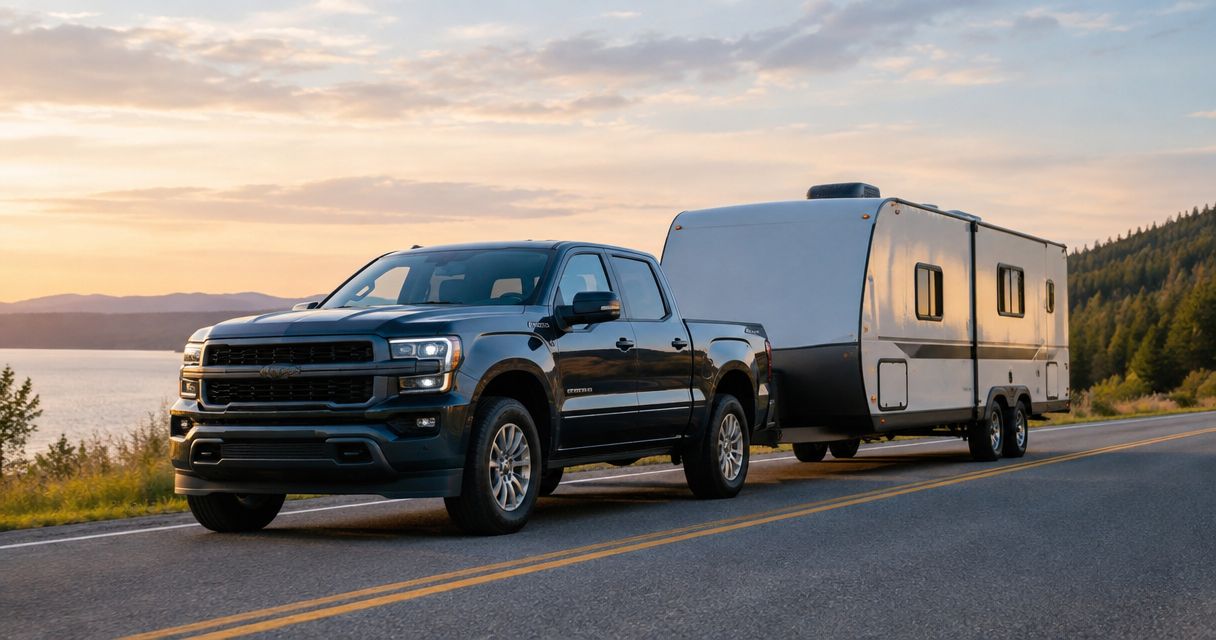
A trailer is worth it for most furniture resellers who already own a capable tow vehicle and want to haul bigger loads without financing a whole new truck. A bigger truck only pays off if you need more cab space, want one vehicle instead of two, or plan to move loads too heavy for a trailer hitch to handle safely. For a resale side hustle built around couches, mattresses, and dressers, a trailer usually gets you more hauling capacity for less money down than a truck upgrade does. The catch: your current truck or SUV needs the right hitch class and tow rating, plus somewhere to park a trailer when it isn't hooked up.
TL;DR
Every dollar you put into a vehicle upgrade is a dollar that isn't going toward inventory, storage, or gas money between pickups. A trailer setup for hauling furniture and mattresses usually costs less than trading in for a bigger truck, and you can resell a trailer later if the hustle doesn't work out the way you planned. A truck is a bigger, longer commitment tied to a loan, insurance premium, and fuel costs that don't shrink on weeks you don't haul anything.
The wrong choice either way costs you time. Buy a trailer too small for oversized furniture and you're making two trips instead of one. Upgrade to a bigger truck you didn't need and you're paying a higher note every month whether you picked up a mattress that day or not.
Here's how the two options stack up for someone picking up and reselling furniture, mattresses, and fitness equipment.
Upfront cost
What you already need
Storage when not in use
Load flexibility
Ongoing upkeep
Best for
Verdict: a trailer wins for most part-time resellers in 2026 because it adds hauling capacity without replacing a vehicle you already like driving.
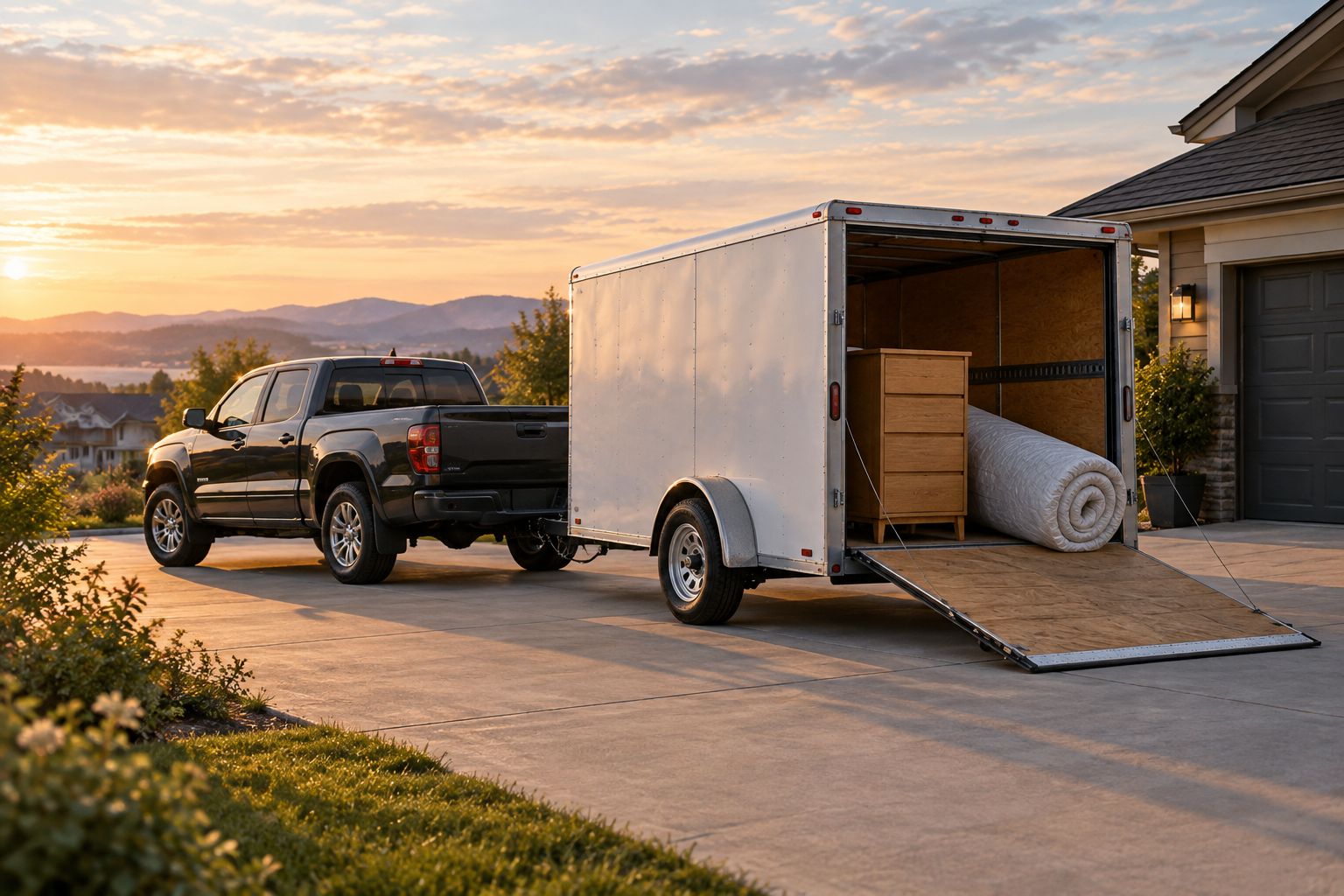
A trailer adds cargo space without touching your daily driver.
A trailer makes sense when your current truck, SUV, or minivan already has the tow rating and hitch class to pull the size trailer you need. It also makes sense if you only haul furniture a few days a week and don't want a second vehicle sitting idle the rest of the time.
Verdict: Buy if your tow vehicle qualifies and you're hauling a few times a week.
A bigger truck makes more sense when you don't currently own anything with real towing capability, or when backing a trailer isn't something you want to learn. It also wins if you need the truck itself for other work, not just furniture pickups.
Verdict: Hold off on the truck upgrade unless one of these applies directly to you — it's the more expensive path.
The trailer-versus-truck decision isn't the same for everyone hauling furniture and mattresses for resale. A few things push the answer one way or the other:
Most small and mid-size utility or enclosed trailers used for furniture resale don't require a commercial driver's license — a standard driver's license covers them in most states. Weight limits that trigger extra licensing requirements are usually well above what a single mattress, dresser, or sofa load weighs. Always check your state's specific gross weight thresholds before towing a larger trailer.
Hitch classes range from roughly 2,000 pounds on a light Class 1 hitch up to 10,000 pounds or more on heavier Class 4 setups, and the trailer itself carries its own weight rating on top of that. Match your tow vehicle's hitch class and the trailer's rated capacity to what you're actually hauling — a loaded sectional sofa or gym equipment set can add up fast.
Renting a truck can make sense for a single large haul, but it gets expensive fast if you're picking up furniture multiple times a week. A truck rental for a one-time furniture haul works for occasional needs, while owning a trailer pays off once pickups become a regular part of your routine.
If you're weighing a trailer against a truck upgrade because you're picking up returned furniture and mattresses to resell, the vehicle question usually comes second to the opportunity itself. Sharetown Reps pick up returned mattresses, furniture, and fitness equipment from retailers, store it, list it locally, and earn money once it sells. Whether you're running a trailer or a fuel-efficient truck for a part-time hauling side hustle, what matters most is having a setup that can move items safely without cutting into your resale margin. Sharetown lays out what the full pickup-to-resale process looks like if you're new to it.
See how the full Rep process works
Pick up, store, list, and resell returned furniture and mattresses.
Is it worth buying a trailer instead of a bigger truck in 2026?
Yes, for most part-time furniture resellers a trailer is worth it in 2026 because it adds hauling capacity without the cost of replacing a whole vehicle. It only falls short if your current tow vehicle can't handle the trailer's weight.
Can any truck tow a furniture trailer?
Not every truck can tow a furniture trailer safely — it depends on the hitch class and the tow rating listed for that specific vehicle. Check your owner's manual or the hitch's rated capacity before buying a trailer sized for larger furniture loads.
Do I need insurance for a furniture-hauling trailer?
Most states require some form of trailer registration, and many insurance policies treat a trailer differently than the tow vehicle itself. Confirm coverage with your insurer before you start hauling furniture for resale.
What size trailer is best for reselling furniture and mattresses?
A mid-size enclosed or open utility trailer handles most furniture resale loads, including mattresses, dressers, and sectional sofas. Larger items like pool tables may need a longer deck or a dedicated ramp setup.
Is a bigger truck ever the better choice for furniture resale?
A bigger truck is the better choice when you don't already own a tow-capable vehicle or don't have anywhere to store a trailer between hauls. It's also the simpler option if you want one vehicle for daily driving and every pickup.
How do I strap furniture down safely on a trailer?
Use rated tie-down straps at multiple points and check tension before every drive, especially on longer hauls. Loose furniture shifting mid-drive is one of the most common causes of damage during resale pickups.
Does towing a trailer affect my truck's fuel economy?
Towing any trailer reduces fuel economy compared to driving unloaded, with the exact drop depending on trailer weight and your truck's engine. Factor that into your cost math before deciding between a trailer and a truck upgrade.
Most people overthink the truck-versus-trailer decision and underthink the parking problem. A trailer you can't store between pickups turns into a driveway obstacle fast, so confirm where it lives before you buy it, not after.