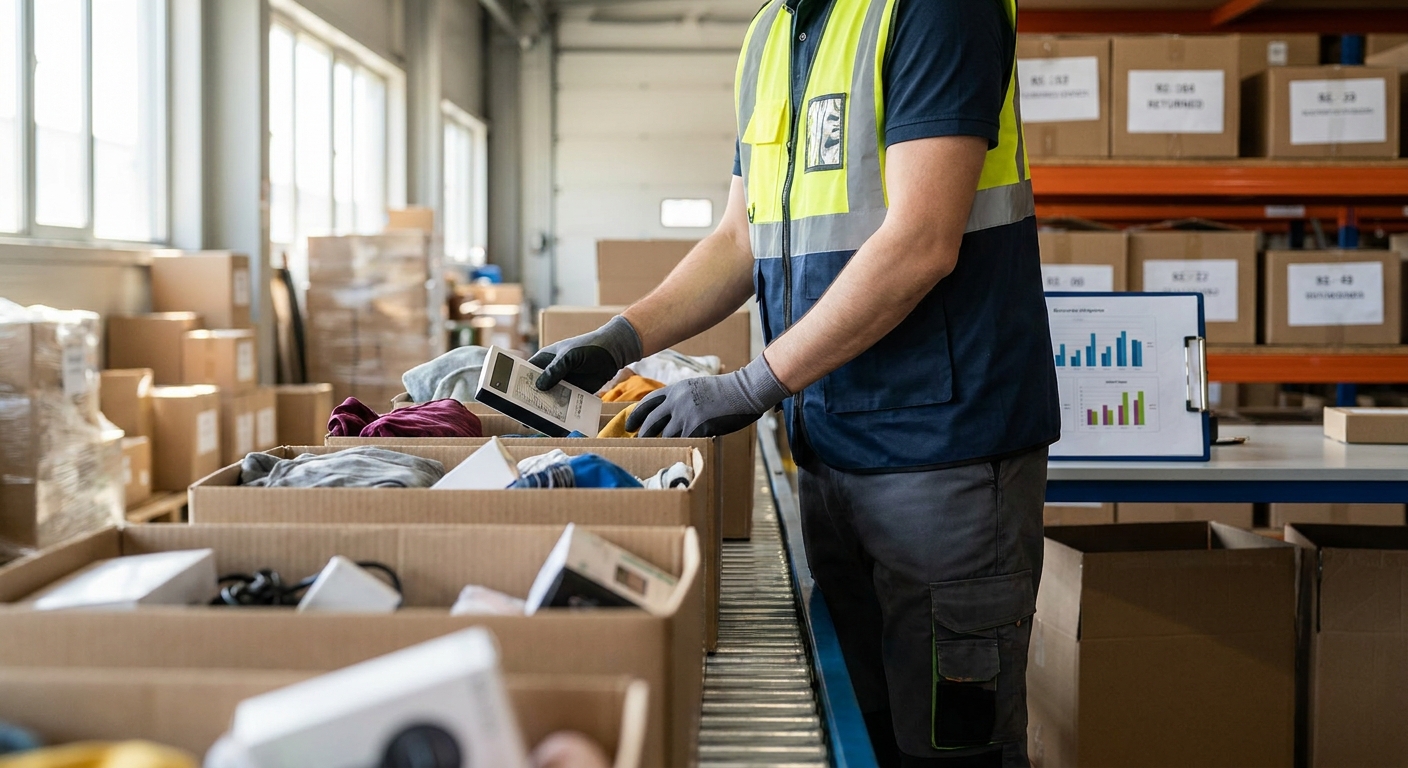
Retailer returns pile up every single day — mattresses, treadmills, dressers, patio sets — and someone has to move them before they clog a warehouse. Building a resale route for retailer returns turns that chaos into a repeatable earning system instead of one random pickup after another.
TL;DR
A single pickup pays once. A route pays every week. Retailers generate returned mattresses, furniture, and fitness equipment constantly in 2026, and the reps who treat those pickups as a scheduled loop — not a one-off favor — turn more stops per hour and spend less on gas per item sold.
The difference between a hobby and an income stream is structure: a defined radius, a category focus, and a pricing rule you apply before the item ever touches your truck. Skip that structure and you're just hauling furniture for free storage space.
Pick a 10 to 15 mile zone around your home base and stay inside it for your first month. Every mile outside that zone adds drive time that doesn't get paid, and gas in 2026 isn't cheap enough to absorb detours for a single item.
A tight radius also means you can hit last-minute pickups the same day a retailer flags a return, which builds trust fast. Common mistake: accepting a great-looking item 40 miles away and blowing your whole day's fuel budget on one stop.
Mattresses, dressers, treadmills, and patio furniture each have different resale speeds, storage needs, and cleaning requirements. Decide upfront which two or three categories you'll specialize in — read up on profitable items to resell near you before you lock in a lane.
Specializing means you learn one set of resale prices, one set of buyers, and one cleaning routine instead of relearning the market for every category. Common mistake: saying yes to anything that fits in the truck, then ending up with unsellable odds and ends.
Set fixed days — say, Tuesday and Friday — for pickups instead of running out the door every time a request comes in. A predictable schedule lets you batch trips and gives retailers a reliable window to expect you.
Most reps find two to three pickup days a week is enough to keep a steady flow without inventory piling up faster than it sells. Common mistake: treating every pickup as urgent, which burns gas and destroys your batching advantage.
Group same-day pickups by proximity, not by request order. A loop of four stops within five miles of each other beats four stops scattered across town, even if the scattered ones came in first.
Map your stops before you leave, not while you're driving. Common mistake: loading the truck by first-come-first-served instead of by geography, which turns a two-hour route into a five-hour one.
Check resale comps for the exact item — brand, condition, age — before it goes on the truck, not after it's sitting in your garage. Get the process down using how to price used furniture before you resell it as a baseline.
A pre-set price range tells you in seconds whether an item is worth truck space or a pass. Common mistake: loading first and pricing later, which means you find out an item isn't worth the drive after you've already made the trip.
Mattresses and upholstered furniture need sanitizing the same day they're picked up, not whenever you get around to it. Bacteria and odor set in fast, and buyers can smell a delay from across the room.
Stage cleaned items by category and photograph them immediately so they're ready to list. Common mistake: stacking uncleaned items in a corner "for later" — later usually means a week, and a week usually means lost resale value.
Don't rely on one marketplace. Rotate listings across two or three local platforms and track which one moves your category fastest. Mattresses often sell faster through local classifieds and pickup-friendly apps than through shipping-based marketplaces.
Relist stale inventory with a price cut after 10 to 14 days instead of letting it sit indefinitely. Common mistake: posting once and waiting — active relisting sells items twice as fast as a single static post.
Start hauling returns for pay
Pick up retailer returns near you and build your route with Sharetown.
Once your route is running two to three days a week without backlog, the next move is turning it into a full operation instead of a side project. Read how to start a resale business from your garage for the step from route to registered business.
What's the best radius for a resale route for retailer returns?
A 10 to 15 mile radius works best for most reps in 2026. Wider zones add drive time that eats into per-stop profit faster than it adds new inventory.
How many pickups should a resale route include per week?
Two to three scheduled pickup days a week is enough for most reps to keep inventory flowing without overloading storage. Scale up only after your current stops are selling within 10 to 14 days.
Is reselling retailer returns profitable in 2026?
Yes, when pickups are priced before loading and sold within two weeks of intake. Margin comes from route efficiency and category focus, not from grabbing every item offered.
Do I need a truck or trailer to build a resale route?
You need a vehicle sized for oversized items like mattresses and dressers, whether that's a pickup truck, cargo van, or a trailer setup. Doorway and stairwell measurements matter as much as vehicle size.
What items do retailers return most often?
Mattresses, furniture, treadmills, and fitness equipment make up a large share of retailer returns. These categories also resell reliably because damage is usually cosmetic, not structural.
How do I find retailers with return inventory to pick up?
Independent reps typically work through a network that connects them with premium retailers offloading returned oversized goods. Building a direct relationship with local stores is possible but slower to scale.
How long should I hold inventory before cutting the price?
Cut price in stages starting at day 10 to 14 rather than waiting indefinitely for full asking price. Items that sit past 30 days rarely sell for more than an early markdown would have earned.
Can I run a resale route part-time?
Yes, two fixed pickup days a week is manageable alongside a full-time job or other side hustle. The schedule discipline matters more than the total hours you put in.
The reps who make the most money on a resale route for retailer returns aren't the ones with the biggest trucks — they're the ones who say no to items outside their radius and category. Discipline on what you don't pick up is worth more than any single great find, especially once your route is running two to three days a week without a backlog sitting in the garage.