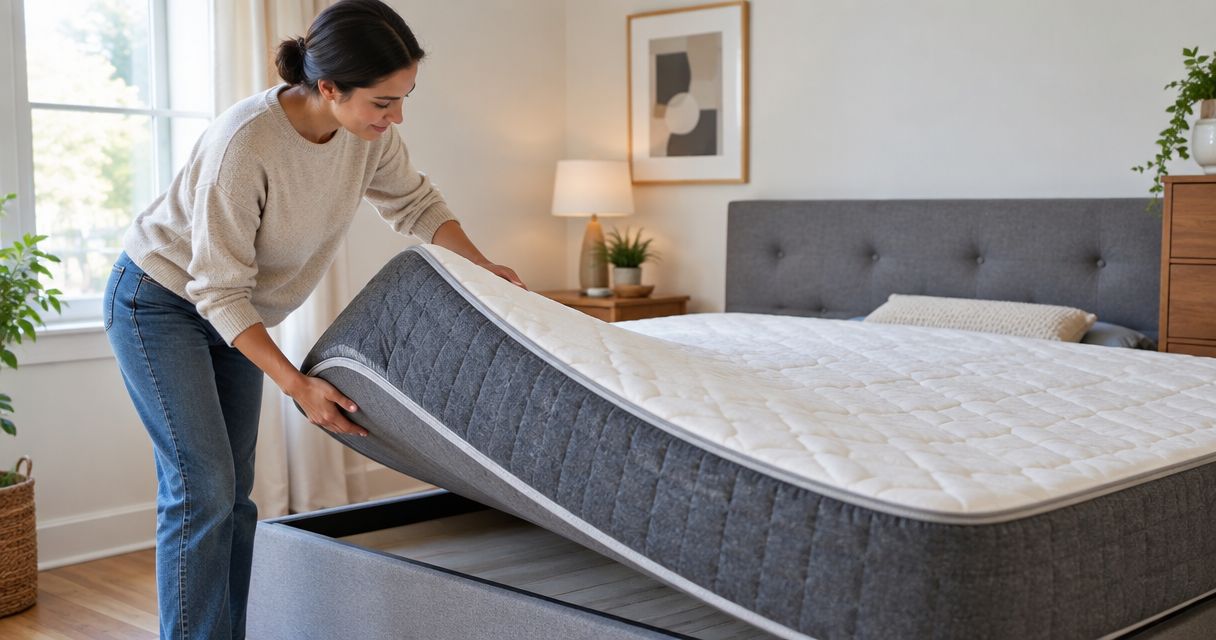
Yes, flipping mattresses is worth it in 2026 when you can source suitable inventory, handle bulky pickups, clean and sanitize each item, store it safely, and find local buyers without letting those costs consume the resale proceeds. It is not worth it when you lack transport, protected storage, time for buyer messages, or a reliable way to avoid damaged and unsellable inventory. This guide shows you where the model works, where it breaks, and how retailer-return pickups compare with independent sourcing.
TL;DR
Mattress flipping looks simple until the first pickup fills your vehicle, takes over your storage space, and generates buyer questions. The sale is only one part of the job. In 2026, you also need a repeatable process for sourcing, inspection, transport, cleaning, listings, buyer coordination, and removal of inventory that cannot be sold.
Sharetown offers a different starting point from conventional flipping. Independent reps pick up returned mattresses and other bulky products from premium retailers, then resell them locally for profit. You still do the physical and selling work, but the inventory begins with retailer returns rather than your own search for private sellers.
Yes, mattress flipping can be worth it in 2026, but only when the complete resale workflow fits your vehicle, storage, schedule, and local market. Do not judge a potential flip by the expected sale amount alone. Judge it by what remains after sourcing, pickup, cleaning, storage, listing work, buyer coordination, and any disposal required for an unsellable item.
The two main approaches are independent sourcing and retailer-return pickups. Both can produce resale income, but they place the work in different parts of the process.
Independent sourcing
Sharetown retailer returns
Sharetown is best for independent reps who can pick up, store, clean, and resell bulky retailer returns locally. It is not a passive side hustle. The model still requires physical handling, organization, responsive communication, and enough protected space to keep inventory in sellable condition.
Independent sourcing gives you direct control over which mattresses you consider. You can reject an item before transport, focus on convenient pickup areas, and decide how much time you will spend negotiating. That control helps when you already understand local buyer demand and can recognize condition problems quickly.
The drawback is that every flip starts from zero. You find the lead, contact the seller, ask condition questions, arrange an inspection, negotiate, transport the mattress, and hope the description was accurate. A listing that omits an odor, stain, moisture exposure, pest issue, or structural problem can turn a planned flip into a disposal task.
Private sourcing also makes consistency harder. One week can produce several promising leads; the next can produce none that meet your standards. That uneven supply matters when you are trying to build a repeatable side hustle in 2026 rather than occasionally resell an item.
Verdict: Choose independent sourcing if you already know how to inspect mattresses and have dependable local acquisition channels. Otherwise, hold until you can screen inventory without wasting trips.
Sharetown connects independent reps with returned mattresses, furniture, fitness equipment, and other bulky products from premium retailers. Reps pick up the items and resell them locally for profit. This removes the need to create every inventory opportunity by messaging private sellers or bidding on mixed liquidation lots.
The tradeoff is straightforward: clearer sourcing does not eliminate the work after pickup. You still need suitable transport, secure storage, a cleaning and sanitation process, accurate listings, buyer communication, and a plan for moving bulky inventory. If any one of those steps fails, the item occupies space instead of producing a completed sale.
The broader product mix can also require different handling routines. A mattress, dining table, and piece of fitness equipment do not use the same inspection checklist, cleaning method, listing details, or loading technique. Organization matters when several bulky items are moving through your space.
Verdict: Sharetown is the stronger fit for 2026 resellers who want retailer-return pickup opportunities and are ready to manage the complete local resale process. Skip it if you lack transport, protected storage, or time to coordinate buyers.
A mattress flip becomes manageable when each item follows the same sequence. Document the condition before loading, keep cleaning supplies ready, and create the listing while the details are fresh.
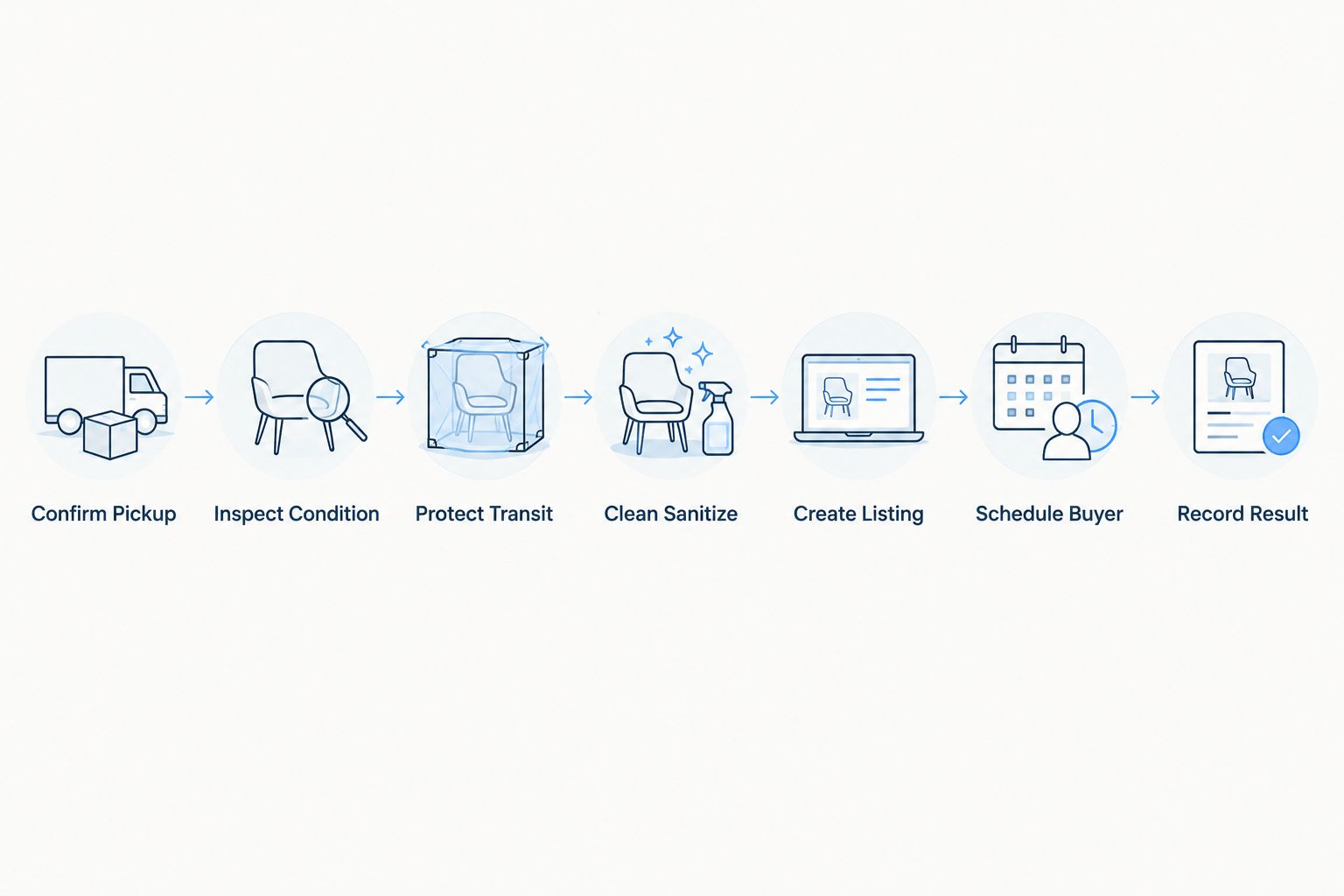
A repeatable workflow keeps condition checks and cleaning from becoming rushed after pickup.
Do not skip the inspection because a pickup is convenient. Cleaning can address surface dirt and some odors, but it does not repair structural damage or make every mattress suitable for resale. Your best protection is declining inventory that cannot meet your resale standard.
The answer to whether mattress flipping is worth it changes with six practical factors:
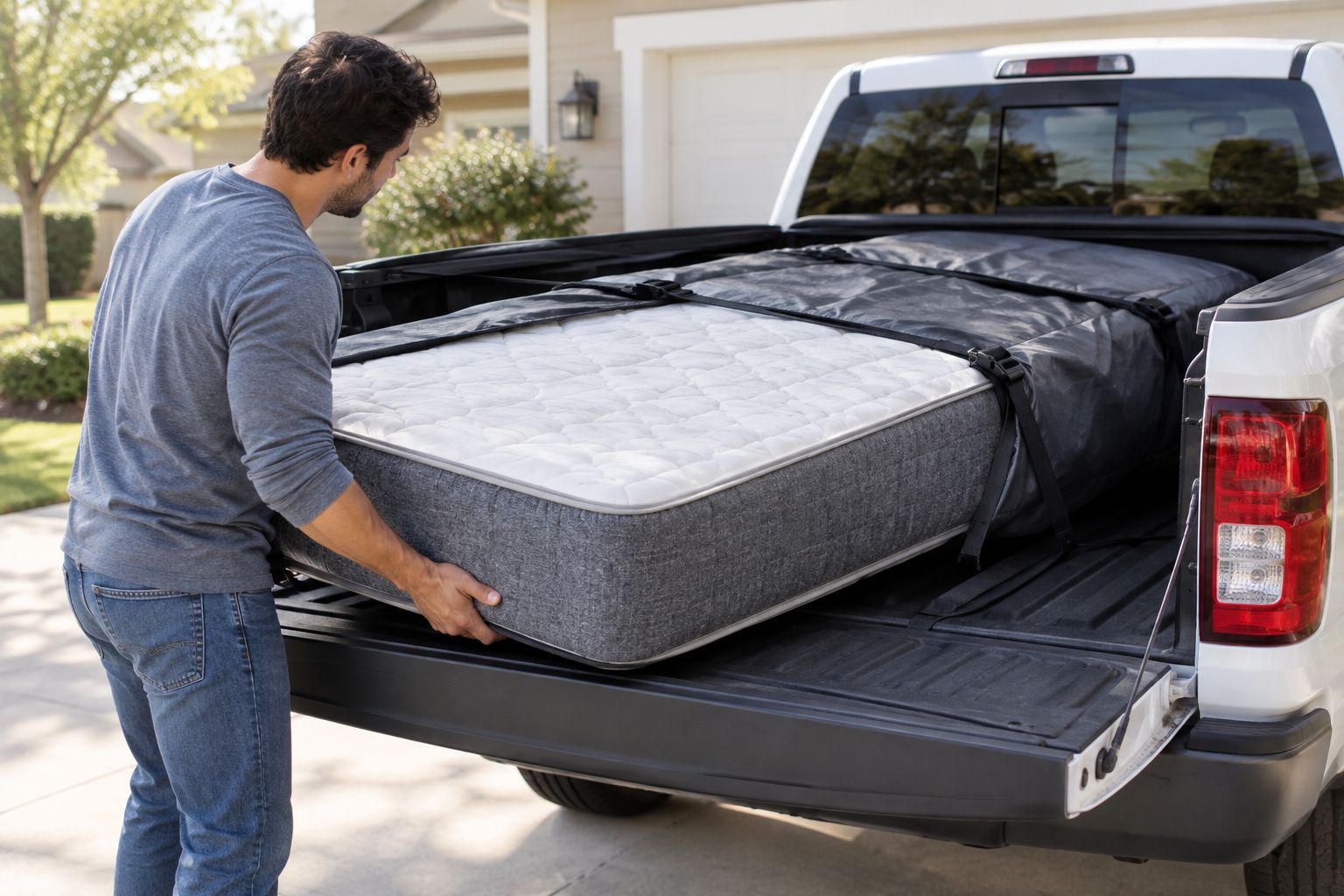
A clean vehicle, protective cover, and secure loading method help prevent new damage in transit.
Regulation belongs on this list too. Used-mattress resale, sanitation, labeling, and disclosure requirements differ by jurisdiction. Confirm the rules that apply where you operate before listing inventory in 2026. A completed cleaning routine does not replace a required label, disclosure, or other local obligation.
Mattress flipping is a practical fit when most of these statements are true:
If several statements are false, wait. Fix the operational gap before adding inventory. A better listing cannot compensate for rain damage, poor inspection, unavailable transport, or storage that contaminates the mattress.
Start with retailer-return pickups
Pick up returned mattresses and other bulky items, then resell them locally.
Skip mattress flipping when you would need to improvise transport for every pickup, leave inventory outdoors, store it in a damp area, or accept mattresses without inspecting their condition. Those constraints create avoidable damage and turn your available space into a holding area for inventory you cannot confidently sell.
It is also a poor fit if you dislike local selling. Buyer questions, schedule changes, no-shows, condition discussions, and pickup coordination are part of the work. Mattress flipping in 2026 rewards people who can manage logistics and communication, not just people who can find an appealing listing.
Finally, do not proceed without a clear rejection standard. Some inventory should not be resold. Decide which condition issues trigger an automatic refusal or disposal before you are standing at a pickup with an empty truck and pressure to take the item.
Yes, you can make money flipping mattresses part-time when pickups, cleaning, listings, and buyer handoffs fit around your main schedule. The model works best when you group related tasks instead of making a separate trip for every small step.
Do not estimate earnings from completed sales alone. Track the time spent searching or accepting inventory, driving, loading, cleaning, photographing, messaging, meeting buyers, and handling items that never sell. That record tells you whether the side hustle is worth continuing in 2026.
You need reliable access to a vehicle or trailer that can carry the mattress safely and protect it from weather and road debris. Ownership is not the only option, but transport must be available when pickups and buyer handoffs occur.
A vehicle that technically holds the mattress is not enough if loading damages the item or creates an unsafe trip. Match the mattress to the available cargo area, use protective material, and secure the load correctly. If every flip requires a separate rental or paid hauler, include that expense before accepting inventory.
Inspect the fabric, seams, edges, support, odor, stains, moisture exposure, and any sign of pests before deciding the mattress is suitable for resale. Check the available label and item information, then document the condition with clear photos.
Reject anything you cannot clean, sanitize, transport, disclose, and sell responsibly. Do not assume a buyer will overlook a problem because the mattress is used. Accurate condition reporting protects the buyer and reduces disputes after the handoff.
Sharetown is better for people who want retailer-return pickup opportunities without building every lead through private sellers. Independent sourcing is better for experienced flippers who want full control over each acquisition and already have dependable channels.
Neither option removes the operational work. Sharetown reps still pick up, clean, sanitize, store, list, and locally resell bulky items. Independent sellers must do those tasks while also finding and negotiating each acquisition.
Is flipping mattresses worth it in 2026?
Yes, flipping mattresses is worth it in 2026 when sourcing, transport, cleaning, storage, and buyer coordination leave a satisfactory profit. It is not worth it when bulky inventory creates repeated hauling costs, storage problems, or unsellable stock.
Can you legally resell a used mattress?
Used mattresses can be resold where permitted, but sanitation, labeling, and disclosure rules vary by jurisdiction. Check the requirements that apply where you operate before listing a mattress.
What is the biggest risk when flipping mattresses?
Accepting an unsellable mattress is the biggest operational risk because damage, odors, moisture, pests, or lost support can turn inventory into a disposal problem. A consistent inspection standard reduces that risk.
Do you have to clean a returned mattress before reselling it?
You should clean and sanitize a returned mattress before resale and follow all applicable local requirements. Cleaning does not fix structural damage or remove the need for accurate condition disclosures.
Can you flip mattresses without owning a truck?
Yes, you can flip mattresses without owning a truck if you have reliable access to suitable transport. Include rentals, paid hauling, and scheduling limits when deciding whether each flip is worthwhile.
Is Sharetown a passive income opportunity?
No, Sharetown is not passive income because independent reps pick up, clean, sanitize, store, list, and locally resell bulky retailer returns. It suits people prepared for physical work and buyer coordination.
How do you know whether a mattress flip made a profit?
Subtract every direct cost from the sale proceeds, then review the time spent sourcing, driving, loading, cleaning, listing, messaging, and completing the handoff. Record unsold and disposed inventory as part of the result.
The mattress is not the business; the workflow is. A clean pickup process, strict inspection standard, protected storage area, honest listing, and reliable buyer handoff make mattress flipping repeatable in 2026. Without that system, even promising inventory becomes bulky clutter.
Start with the constraint that is hardest to change. If storage is tight, do not accept more inventory. If transport is unreliable, solve that before scheduling pickups. If condition screening is inconsistent, use the same checklist every time. Flipping mattresses becomes worth it when the entire process works, not when one listing looks profitable.