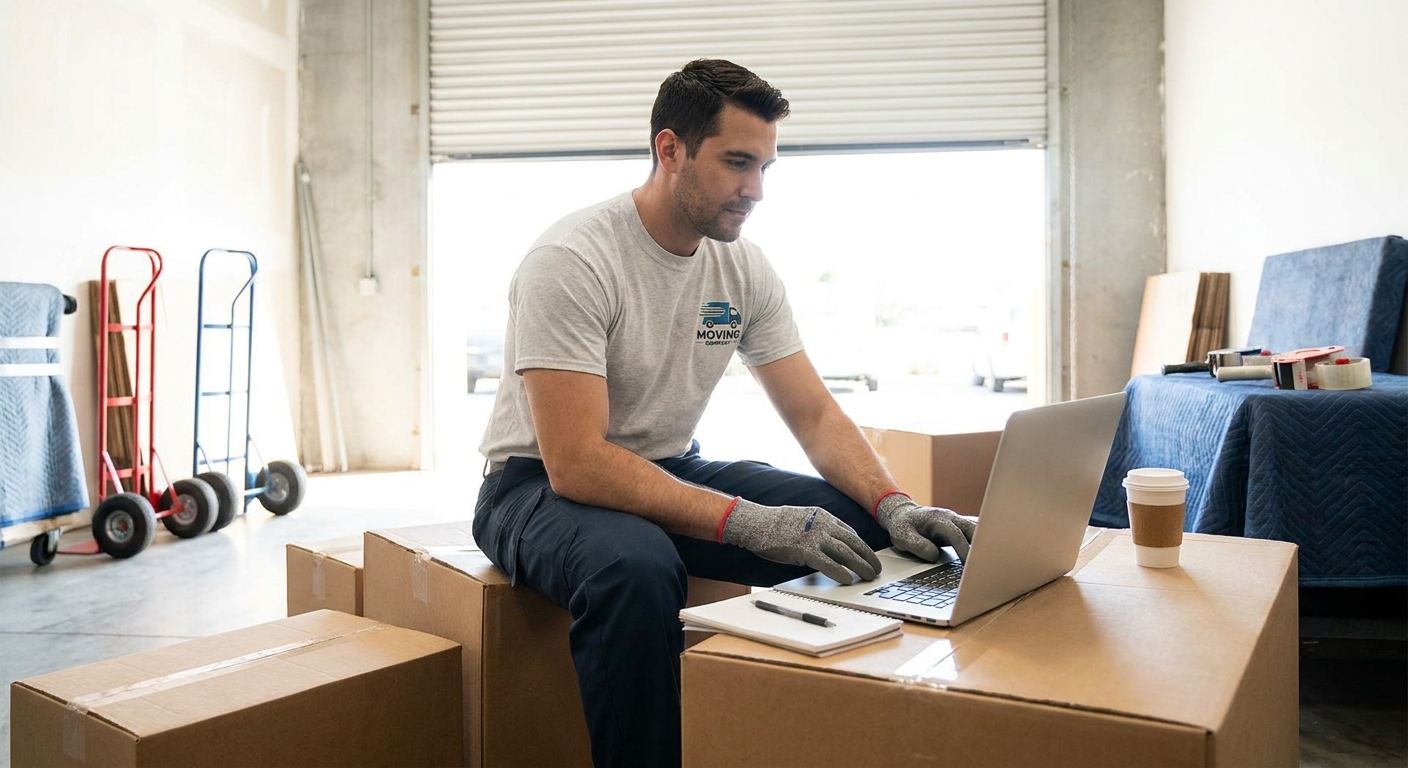
Movers already own the two things every bulky-item side hustle needs: a truck and the muscle to load it. That combination turns idle hours between jobs into real money without buying new gear.
TL;DR
Moving companies don't pay overtime for the strength and route-planning skills their crews build on the job, but those same skills carry a resale value most movers never cash in on. Sharetown built a model around exactly that gap: independent reps pick up returned mattresses, furniture, and fitness equipment from premium retailers, then clean and resell locally for profit.
A mover who already knows how to strap a sectional couch or navigate a stairwell with a treadmill has a head start that someone starting from zero doesn't. In 2026, the side hustles worth chasing are the ones that reuse skills you already get paid for once — not new gigs that ask you to learn a trade from scratch.
This guide is for people currently working as movers, whether full-time crew members at a moving company or independent operators with their own truck and dolly setup. It also fits anyone who moved furniture professionally in the past and still has the equipment, the back strength, and the eye for what a piece of furniture is actually worth once it's been handled a few hundred times.
A good side hustle for a mover doesn't introduce new physical risk — it reuses the lifting and carrying technique you've already trained into muscle memory. Gigs that ask for unfamiliar physical work (installation, assembly, repetitive fine-motor tasks) cost you more in fatigue than they pay back.
Moving jobs run in bursts — heavy on weekends and month-end, lighter mid-week. The side hustles worth adding are the ones with flexible pickup windows, not fixed shift-based gigs that collide with your primary schedule.
If you already own a truck, trailer, furniture dolly, and moving blankets, the side hustle should use that exact gear. Anything requiring a second vehicle or specialized tools erases the margin before you've made a dime.
Movers live on cash flow between jobs, so a side hustle that pays 30 days later doesn't solve the same problem a same-day payout does. Prioritize gigs where you get paid on pickup, delivery, or resale — not on a net-30 invoice cycle.
The best fit requires no inventory purchase and no licensing beyond what you already have to drive for work. Every dollar spent upfront is a dollar you have to earn back before the hustle is actually profitable.
Movers already know what a mattress, dresser, or treadmill is worth after a few years of handling them for other people. Sharetown reps pick up returned mattresses, furniture, and fitness equipment from premium retailers, then clean, sanitize, and resell locally — the same inspection instincts a mover uses to spot damage on a move day apply directly to grading resale condition. There's no inventory to buy before you start; the retailer supplies the volume, you supply the pickup, prep, and resale.
Verdict: Buy. This is the closest match to skills a mover already has, and it pays out on resale rather than on a fixed schedule.
If you already drive a box truck for your day job, running local hauls for furniture sellers and small resale flippers in a cargo van is a near-zero learning curve. Oversized loads — dressers, sectionals, exercise equipment — pay more per job than small-item courier work because fewer drivers are set up to handle them.
Verdict: Buy. The equipment overlap with your day job is close to total, and per-job rates track higher for anything a standard sedan can't carry.
A mover with access to a utility trailer can take on jobs a van simply can't — multiple mattress sets, bulk furniture lots, estate cleanout loads. The right trailer setup for hauling furniture and mattresses lets you run fewer trips for more volume per haul, which matters when gas and time are the real costs eating your margin.
Verdict: Consider. Volume capacity is the upside, but trailer insurance and secure storage between jobs add costs a van-only setup avoids.
Retailers generate a steady stream of returned furniture and appliances that never make it back to the shelf, and someone has to inspect, clean, and resell that inventory. Movers already do the inspection part instinctively — checking for structural damage, missing hardware, and wear patterns is second nature after years of loading other people's furniture. Learning which returned items resell fastest turns that instinct into a repeatable income stream.
Verdict: Buy. The skill transfer from professional moving to return inspection is close to direct.
Local delivery apps and freight-adjacent gigs pay by the hour or per stop, and they're easy to pick up if you already hold a commercial license. The problem for most movers is timing: these gigs run during the same daytime and weekend windows a moving job already claims.
Verdict: Skip if your moving schedule already fills those hours. Consider only if you work an off-peak shift with genuine open blocks.
Turn pickup skills into pay
See how Sharetown reps earn from returned furniture, mattresses, and fitness gear.
Bulky-item resale (Sharetown)
Cargo van hauling
Trailer-based hauling
Retailer-return flipping
Truck-driving delivery gigs
In 2026, the picks that score high across physical fit, schedule flexibility, and low startup cost are the ones worth testing first — bulky-item resale and cargo van hauling both clear that bar without asking a mover to change what they're already good at.
What's the best side hustle for movers in 2026?
Bulky-item resale through a returns-pickup model like Sharetown is the best fit for most movers in 2026 because it reuses inspection and handling skills they already have. Cargo van hauling for local furniture sellers is a close second for movers who already drive for work.
Do movers need to buy equipment to start a side hustle?
No, if the side hustle is chosen correctly a mover shouldn't need to buy new equipment. A truck, trailer, dolly, and moving blankets already cover most bulky-item resale and hauling side hustles.
Is reselling furniture a good side hustle for someone who already moves furniture for a living?
Yes, reselling furniture is one of the strongest side hustle fits for movers because grading condition and spotting damage is a skill they already use daily on the job.
How much can a mover realistically earn from a side hustle?
Earnings vary by hours committed and local demand, and depend on how many pickups, hauls, or resales a person takes on in a given week. Payout speed matters more than headline earning potential — gigs that pay on pickup or resale keep cash flowing between primary moving jobs.
Can I run a side hustle with the same truck I use for my moving job?
Yes, in most cases the same truck, van, or trailer used for professional moving work doubles as the vehicle for a bulky-item hauling or resale side hustle. Check any employer restrictions on outside use of company vehicles before committing.
Is trailer hauling better than van hauling for a side hustle?
Trailer hauling handles more volume per trip, which helps on large jobs like multi-item furniture lots, but it adds insurance and storage costs a van setup avoids. Van hauling is the lower-cost starting point for most movers.
What side hustles should movers avoid?
Movers should avoid inventory-heavy resale schemes that require buying goods upfront and referral-based income models where pay depends on recruiting rather than completing jobs. Both add risk without matching the skills a mover already has.
Does bulky-item resale require a business license?
Requirements vary by state and city, so check local rules before starting. Many independent resale reps operate as sole proprietors without a separate business license, but tax reporting still applies to any resale income earned in 2026.
The skill that actually separates a profitable mover-turned-reseller from one who breaks even isn't hauling — it's grading. Knowing the difference between a mattress with a repairable stain and one with structural damage is worth more per hour than any extra haul you could squeeze into a Saturday.