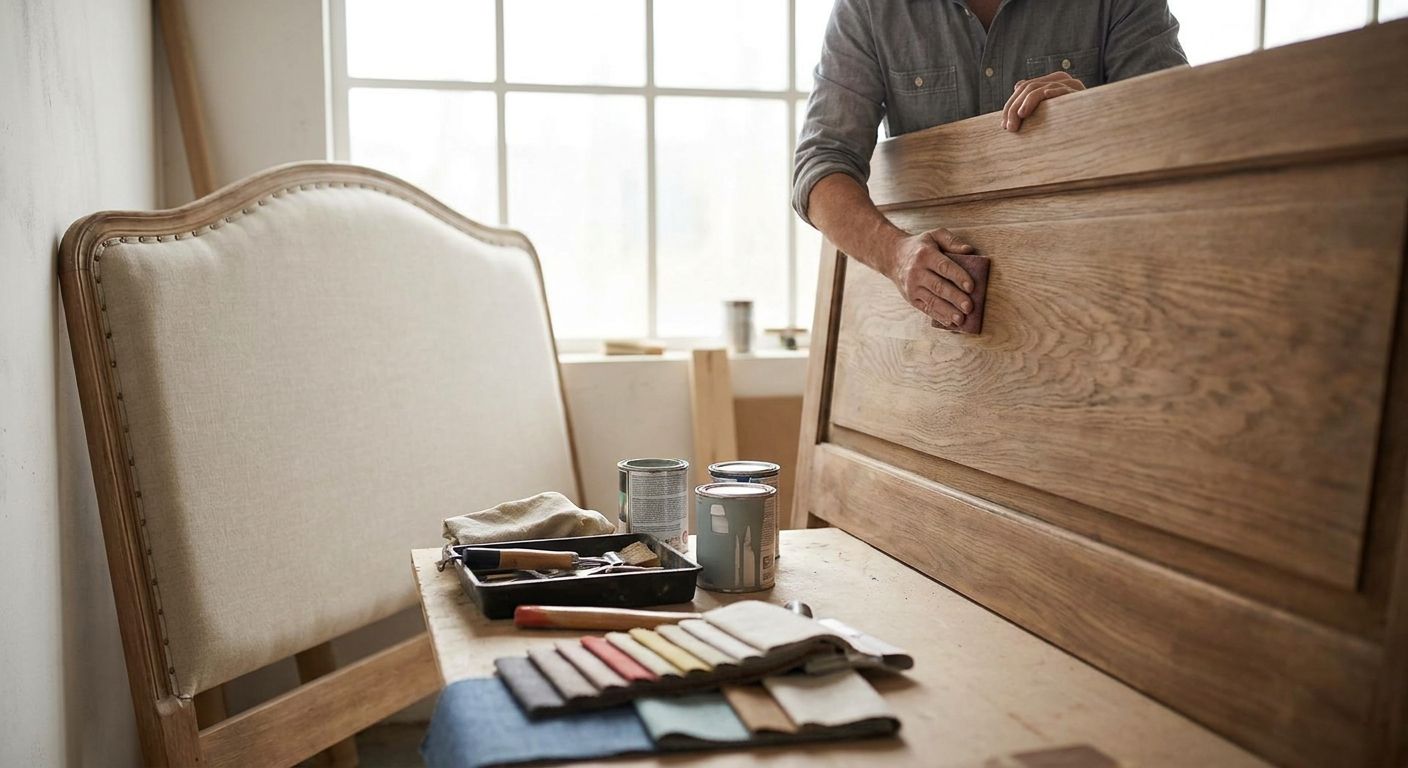
Headboards are the easiest bulky item to flip in 2026 — they haul in the back of a hatchback, clean up in under an hour, and buyers pay a real premium for the right size and style.
TL;DR
Headboards sit in a sweet spot: bulky enough that most casual sellers underprice them, small enough that one person can move one without a dolly. Retailers process returns on bed frames and headboards constantly — shipping damage, a customer changed their mind, a size mismatch — and those returns often go out for resale at a fraction of retail. That gap is where the margin lives.
Compare that to a mattress flip, which needs sanitizing and disclosure work, or a sectional sofa, which needs two people and a bigger vehicle. A headboard is a single-person job most weekends, and flipping bed frames for profit follows nearly the same playbook if you want to bundle the two.
This guide is for anyone already running — or starting — a furniture resale side hustle: gig workers with a truck or minivan, weekend flippers picking through retailer returns and estate sales, and reps building a repeatable local route instead of one-off Marketplace flips. If you're new to sourcing bulky items, flipping dressers and nightstands is a good companion category since buyers often want a matching set.
Solid wood and metal frames survive years of use and multiple resales; particleboard and MDF do not once moisture gets into the seams. A wood or iron headboard tolerates sanding, re-staining, and hardware swaps. A particleboard one usually needs to be sold as-is or scrapped the moment the laminate chips.
Queen headboards run roughly 60 inches wide, king frames run 76 to 78 inches, full-size sits around 54 inches, and twin comes in near 39 inches. Getting the size wrong means the headboard sits unsold — buyers search by exact bed size, not "medium."
Missing bolts or a mismatched bracket system kills a sale fast because most buyers won't want to source hardware themselves. Check that the mounting holes are intact and standard before you commit truck space to it.
On tufted or padded headboards, check foam density and fabric for stains, tears, or sun-fading. A firm foam core with a clean fabric surface resells quickly; flattened foam or pet odor usually means a full reupholster job that rarely pencils out on a single piece.
Scratches buff out. Water rings and peeling veneer usually don't without a full strip-and-refinish. A light pass with 120-grit sandpaper followed by 220-grit before restaining handles most surface wear in under an hour.
Mid-century wood, farmhouse plank, and simple platform-style headboards move faster in most local markets than ornate carved or dated laminate styles. Style demand shifts by market, so check what's actually selling near you before you overbuy one look — pricing used furniture before you resell it walks through how to check that before you commit.
Solid wood platform headboards — the safe pick. Simple slab or slat-style wood headboards in queen or king width are the most consistently in-demand size and style combo. One coat of stain and a hardware check is usually the entire repair job. Buy.
Upholstered and tufted headboards — the fast mover. Buyers searching for a bedroom refresh gravitate toward padded and tufted styles first, especially in neutral fabric. Foam condition is the deciding factor — firm foam and a clean surface, take it; flattened or stained foam, pass. Buy on clean units, Skip on anything needing a reupholster.
Metal and iron frame headboards — the durable pick. These survive rough handling in transit and rarely have hidden structural damage the way wood veneer can. They're slower sellers than wood or upholstered options in most markets, but they take almost no repair time. Consider.
Storage and bookcase headboards — the space-saver play. Built-in shelving or storage compartments add resale appeal for apartment and small-bedroom buyers, but check every hinge and drawer glide before you buy — a broken drawer track is a bigger repair than it looks. Consider.
Kids' and novelty headboards — the niche pick. Themed or character headboards have a narrow buyer pool and go stale on a listing fast if the local market doesn't have young families searching that week. Skip unless you already have a buyer lined up.
Turn retailer returns into resale income
Sharetown reps pick up bulky returns near them and resell locally.
Solid wood platform
Upholstered/tufted
Metal/iron frame
Storage/bookcase
Kids'/novelty
If you're weighing whether to expand past headboards into other retailer return categories, items retailers return that you can resell for profit covers what else moves through the same pipeline.
Is flipping headboards for profit worth it in 2026?
Yes, for anyone already sourcing bulky furniture returns or estate sale finds — headboards need minimal repair compared to upholstered sofas or mattresses and sell fast in queen and king sizes. The margin comes from low acquisition cost relative to resale demand, not from any single expensive fix.
What size headboard sells fastest?
Queen headboards, at roughly 60 inches wide, match the most common bed size in U.S. households and sell the fastest in most local markets. King (76-78 inches) and full (54 inches) trail behind, and twin headboards have the smallest buyer pool.
How do I know if a headboard is worth flipping?
Check the frame material first — solid wood and metal survive resale better than particleboard. Then check mounting hardware and finish condition; a piece needing only sanding and a hardware tighten is worth the pickup.
Can I flip a headboard without refinishing it?
Yes, if the surface has only light scratches or dust — a wipe-down and daylight photos are enough. Water rings, peeling veneer, or torn upholstery usually need real repair work before the piece is sellable.
Where do resellers find headboards to flip?
Retailer return pipelines, estate sales, and local marketplace listings are the three most consistent sources. Retailer returns tend to be the most predictable supply since damage is usually cosmetic rather than structural.
Do upholstered headboards sell better than wood ones?
Upholstered headboards often move faster because they photograph well and fit a wider range of bedroom styles, but only when the foam is still firm and the fabric is clean. A solid wood headboard with a fresh stain competes just as well and needs less inspection work.
How much repair time does a headboard flip usually take?
A wood headboard needing only sanding and stain is typically a same-day job; sanding runs through 120-grit then 220-grit before finishing. Upholstered pieces with damaged foam take longer and often aren't worth the labor.
Most flippers overlook the mounting hardware entirely and only find out it's missing after the buyer shows up — check the bracket kit before you load the headboard, not after.