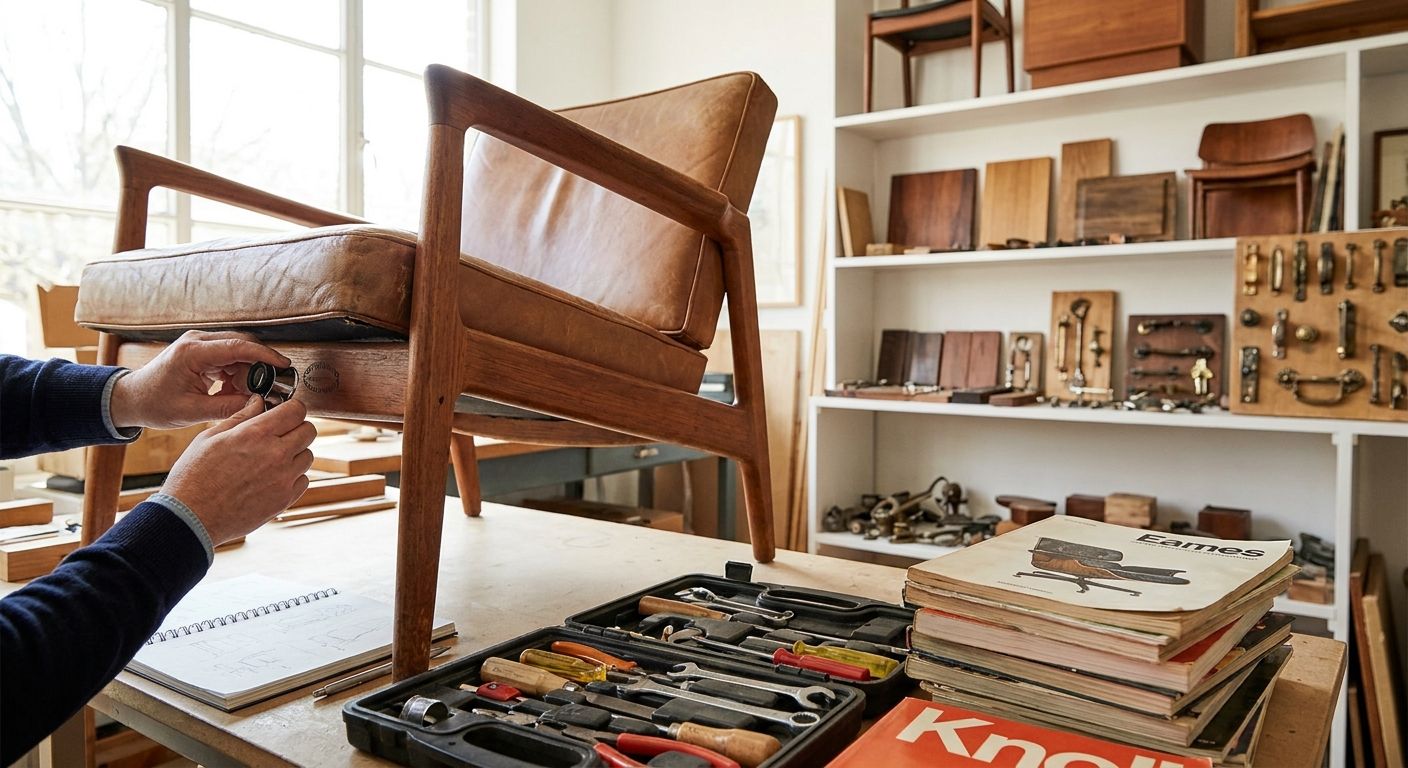
Not every furniture brand is worth the truck space. The furniture brands worth flipping in 2026 share three things in common: solid materials, a retail reputation buyers already trust, and enough original price point that a discount still feels like a deal.
TL;DR
Most people flipping furniture in 2026 are still guessing at what to buy — chasing whatever's cheap on Facebook Marketplace instead of what actually resells. That's backwards. Brand recognition does half the selling for you before a buyer even reads the listing description.
The better play is sourcing from the categories retailers return the most, where premium names show up next to boxes nobody wants. Sharetown reps who pick up items retailers return already see this mix daily — a Room & Board sectional sitting next to a particleboard nightstand from the same delivery run. Knowing which one to load into the truck is the entire skill.
Brand alone doesn't guarantee a flip works, but it's the fastest first filter. Here's how the major tiers break down for 2026 resale:
Heritage / investment
Premium contemporary
Mid-tier lifestyle
Mass-market
Verdict: Stickley, Herman Miller, and Room & Board are the furniture brands worth flipping first in 2026 — they hold resale value across regions and buyer types, while flat-pack basics only work as filler inventory.
Stickley, Henredon, and Baker built furniture on real joinery — dovetails, mortise-and-tenon, dowels — not staples and glue. That construction is why a 40-year-old Stickley dresser still sells for real money in 2026 while a 2019 mass-market dresser is already sagging.
These pieces take longer to move because the buyer pool is smaller and more particular. But margin per piece is usually the highest of any tier, and refurbishing rarely means more than a clean and a wax. Check joints and drawer glides before committing — a warped drawer front kills the sale regardless of brand name.
Herman Miller, Room & Board, and Design Within Reach pieces sell themselves because the buyer already knows the name and what it costs new. A returned Herman Miller Aeron or Room & Board sofa moves faster locally than an unbranded equivalent twice as cheap.
These brands show up regularly in retailer return streams because they're stocked at premium furniture chains with generous return windows. Reps who flip antique furniture already know the pattern: recognizable brand plus minor cosmetic flaw equals a fast, high-margin sale.
Pottery Barn, Restoration Hardware, Crate & Barrel, and West Elm won't command heritage-brand prices, but they show up in return pipelines constantly and sell within days at the right price. This is the tier that keeps a resale route profitable week over week rather than piece by piece.
Condition matters more here than brand prestige — a scuffed West Elm dresser competes directly with a clean one from the same line, and buyers will choose price over patience.
Ashley HomeStore entry lines and most Wayfair house brands use particleboard cores with veneer wraps. They don't survive a second move well, and buyers know it — resale prices drop fast once the piece shows any wear.
IKEA is the exception worth a separate look: some lines hold value if barely used, but most flat-pack pieces don't justify the truck space. Reps who've tested flipping IKEA furniture for profit generally treat it as a fill-in category, not a primary source.
Brand name is the starting filter, not the whole equation. These are the factors that actually move the price once you're standing in front of the piece:
Most IKEA furniture isn't worth flipping unless it's barely used — the particleboard cores in most lines don't hold up to a second move. Solid-wood IKEA lines and barely-used pieces from higher retail price points are the exception worth sourcing.
Mid-century brands remain some of the most profitable furniture to resell in 2026, driven by steady design demand and solid construction from the era. Names like Henredon and Baker command consistent local interest, especially in original or lightly restored condition.
Check the edges and drawer interiors first — solid wood shows consistent grain through the edge, while veneer reveals a thin wood layer over a different core material at any cut or chip. Weight is a secondary tell: solid wood pieces are noticeably heavier than veneer-over-particleboard equivalents of the same size.
Get access to premium retailer returns
Sharetown reps pick up furniture other flippers never see.
What furniture brands are worth flipping in 2026?
Stickley, Herman Miller, Room & Board, and Ethan Allen are among the furniture brands worth flipping in 2026 because their construction and brand recognition hold resale value. Mass-market lines from Ashley and Wayfair generally don't unless the piece is nearly new.
Is Pottery Barn furniture good to flip?
Pottery Barn furniture is a solid mid-tier flip — real wood or metal frames and strong brand recognition keep it moving, though it won't command heritage-brand prices. Condition matters more here than with premium brands.
How do you know if a furniture brand is high-end?
Check the original retail price and construction method first — high-end brands use solid wood or metal joinery and typically retailed above $400-500 new. Brand recognition among local buyers is the second signal worth checking.
Do designer furniture brands hold their resale value?
Designer brands like Herman Miller and Design Within Reach hold resale value better than mass-market lines because buyers already know the retail price and trust the construction quality. Condition and completeness still affect the final price.
Is it worth flipping IKEA furniture?
IKEA furniture is only worth flipping when it's barely used, since most flat-pack lines use particleboard that doesn't survive a second move. Treat it as filler inventory rather than a primary sourcing strategy.
What makes a furniture piece unsellable regardless of brand?
Structural damage, pet stains, and heavy water damage make furniture unsellable regardless of brand name in 2026. Buyers pay for the brand's reputation for durability, and visible damage undercuts that trust immediately.
How much should you pay for a used furniture piece before flipping it?
Pay no more than 25-35% of the original retail price for a used piece you plan to flip, leaving room for cleaning, transport, and profit. Heritage brands can support a higher percentage given their stronger resale ceiling.
The brand name gets a buyer to click the listing — the condition on pickup determines whether they actually pay for it. Reps who consistently profit in 2026 aren't the ones who find the fanciest brand name; they're the ones who check joints, drawer glides, and stains before loading anything into the truck. A mid-tier West Elm dresser in excellent condition will outsell a beat-up Stickley piece every time.